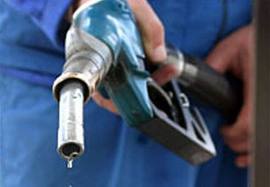
Lagos — The Premium Motor Spirit, PMS, or petrol is selling for over N1,200 per litre in many parts of Nigeria as a result of high crude oil prices arising from the crisis in the Middle East.
Crude oil prices reached over $119 per barrel on Monday before retreating to under $90 per barrel on Tuesday.
The impact of the high crude prices is being felt in Nigeria as the price of petrol has risen significantly.
According to Arise News report monitored in Lagos, petrol sold for between N1,280 and N1,350 per litre on Tuesday in Kaduna while in Makurdi, it sold for N1,260 and N1,500.
There were, however, no queues at the fuel stations as they reportedly had enough stock for motorists and other buyers who came in and left as they made their purchases.
SweetcrudeReports earlier reported that the pump price of the Premium Motor Spirit (petrol) has climbed to about N1,400 per litre in parts of Nigeria, triggering sharp increases in transportation fares and deep frustration among commuters and commercial drivers in Port Harcourt.
The surge follows a spike in global crude oil prices due to escalating conflict in the Middle East, particularly tensions involving Iran and disruptions around the Strait of Hormuz, a key global oil shipping route. The crisis has pushed crude oil prices above $100 per barrel, causing fuel costs to rise across many countries.
Energy analysts say the conflict has disrupted oil supplies and tanker movements in the Gulf region, a development that has rattled international energy markets and pushed petroleum product prices upward globally.
For Nigeria, which still depends partly on imported refined fuel, the global price shock is already translating into higher domestic petrol prices and mounting inflationary pressure.
In Port Harcourt, Rivers State, commercial taxi and bus drivers say the rising pump price has forced them to adjust transport fares, worsening the cost-of-living crisis.
A commercial taxi driver operating along the Rumuokoro-Mile 1 route, Mr. Okafor, said the fuel hike has made it almost impossible for drivers to maintain previous transport fares.
“Fuel is now about N1,400 per litre. We cannot run our vehicles at old prices again,” he said. “Passengers complain every day, but drivers are also suffering because everything depends on fuel.”
A tricycle rider, Mr. Akpan, said drivers are now spending most of their daily earnings on petrol.
“Before now, N20,000 fuel could last almost two days. Now it finishes in one day,” he said. “We are forced to increase fares just to survive.”
Commuters in the oil city also expressed frustration over the rising cost of transportation.
Ms. Blessing George, a civil servant commuting from Airforce junction to the Rivers State secretariat, said transport fares on her route have increased by nearly 50 percent within days.
“Last week I paid N500, now they charge N800,” she said. “Our salaries have not increased but everything else is going up.”
Another commuter, Mr. Kingsley Amadi, described the situation as unbearable for ordinary Nigerians.
“Every crisis anywhere in the world affects us here,” he said. “Fuel price goes up, transport goes up, food goes up. It’s the poor people that suffer.”
SweetcrudeReports noted the situation may worsen if the Middle East crisis continues, as global oil supply disruptions tend to quickly translate into higher fuel costs in import-dependent markets.
The rising fuel cost could trigger another round of inflation in Africa’s largest economy, particularly through increased transportation and logistics costs that affect food distribution