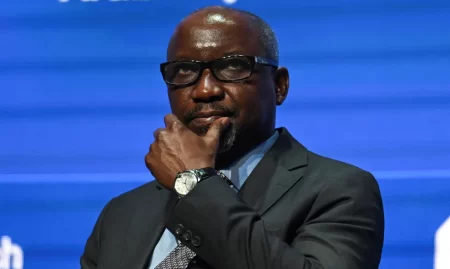
Mkpoikana Udoma
Port Harcourt — The Nigerian Electricity Regulatory Commission, NERC, has called for a policy rethink in the management and utilisation of the $2 billion currently domiciled with the Rural Electrification Agency, REA, saying Nigeria must go beyond powering homes to powering industries and national prosperity.
Vice Chairman of NERC, Dr. Musiliu Oseni, speaking during the Technical Sessions to mark NERC’s 20th Anniversary in Abuja, said the Commission’s focus has now shifted toward unlocking private capital, particularly in the transmission sub-sector, through the newly established Transmission Infrastructure Fund.
“Through effective regulation, we have saved the Federal Government several trillions of naira in subsidies, strengthened market reliability, and enhanced consumer protection,” he said.
“But now we must move from subsidy savings to investment stimulation. That is why our attention is on transmission, the weakest link in the electricity value chain.”
The NERC Vice Chairman explained that the TIF will provide a financing platform to attract both local and international investors into Nigeria’s transmission grid, thereby enhancing stability and capacity for industrial growth.
On the management of the Rural Electrification Fund, Dr. Oseni urged the Federal Government to deploy part of the $2 billion fund toward large-scale industrial and commercial power supply.
“You can power access through mini-grids, but you can’t power your economy to prosperity,” he said pointedly. “We must ensure that access translates to productivity, and productivity translates to jobs and growth.”
Dr. Oseni commended the 15 states that have obtained transfer orders to establish their own electricity markets, noting that eight are already operational.
However, he cautioned that “there must first be a utility before you can be called a regulator,” emphasizing that regulation must be rooted in independence, capacity, and transparency.
“The responsibility of a regulator extends beyond policy alignment; it demands objectivity, analytical depth, and the courage to act as an unbiased umpire,” he said.
He also warned state regulators against undue closeness with licensees, saying such relationships could compromise their independence and lead to regulatory capture.
According to him, the past two decades have been transformative for Nigeria’s power sector, with NERC evolving from a policy implementer to a market enabler.
“Despite the challenges, the Commission has recorded significant achievements over two decades,” Oseni noted. “We have institutionalized consumer rights, introduced cost-reflective tariffs, and promoted the gradual decentralization of the electricity market.”