Mkpoikana Udoma
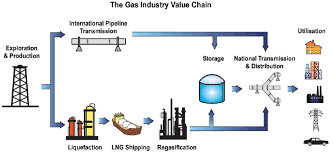
Port Harcourt — Nigeria’s recurring electricity shortages are increasingly being traced to a single underlying issue, the fragility of its gas-to-power value chain, where disruptions upstream quickly cascade into nationwide blackouts.
The latest signal came from Port Harcourt Electricity Distribution Plc, which confirmed a drop in electricity supply due to reduced allocation from the national grid.
“The current shortage of power supply is due to the reduced allocation PHED is receiving from the national grid,” the company stated, attributing the decline to low generation caused by reduced gas supply to thermal plants.
A system built on gas, but vulnerable
Nigeria’s power sector depends heavily on gas-fired plants, making steady gas supply the backbone of electricity generation. Yet, supply disruptions, whether from infrastructure gaps, operational inefficiencies, or security challenges, continue to limit output.
Even when installed generation capacity is high, actual available power often drops significantly due to gas constraints, leaving distribution companies like PHED unable to meet demand.
Upstream Strategy: Monetisation Meets Reality
At the policy and investment level, NNPC Limited is pushing a strategy focused on resource monetisation, infrastructure expansion, and execution discipline.
Speaking at CERAWeek 2026, Group CEO Bashir Bayo Ojulari emphasized that gas is central to Nigeria’s economic future.
“We are not choosing between today and tomorrow; we are funding the future with the present,” he said, outlining a model where gas underpins industrialization and energy security.
With over 600 trillion cubic feet of proven reserves, Nigeria has the resources to power its economy, but translating that potential into reliable supply remains the key challenge.
Ojulari identified critical enablers, including commercially viable gas pricing, infrastructure delivery (notably pipelines like AKK), and bankable contracts to attract investment.
Pipeline Security: The Weakest Link
A major constraint in the gas-to-power chain remains pipeline security, particularly in the Niger Delta.
Operators like Pipeline Infrastructure Nigeria Limited have intensified surveillance of critical assets such as the Trans Niger Pipeline, TNP, and the Eastern Gas Network, EGN.
Recent incidents, including attempted crude theft and cases of contractor negligence, highlight ongoing risks. While interception efforts have improved, even minor disruptions can reduce gas supply to power plants, triggering wider grid instability.
The implication is direct; When pipelines are compromised, power generation drops. When generation drops, the entire economy feels the impact.
Infrastructure Deficit Slows Progress
Beyond security, Nigeria faces a structural infrastructure gap. Limited gas processing plants, transmission pipelines, and storage facilities restrict the efficient movement of gas from production fields to end users.
Projects like the Ajaokuta-Kaduna-Kano, AKK pipeline are expected to ease constraints, but delays have slowed their impact.
Without sufficient infrastructure, gas remains stranded in producing regions, power plants operate below capacity, and supply shocks cannot be easily absorbed.
Economic and Industrial Impact
For businesses, unreliable power supply translates into higher energy costs and reduced competitiveness, as firms rely on diesel and petrol generators.
For households, it means erratic electricity and rising living costs.
At a macro level, the challenge undermines Nigeria’s ambitions for industrialization, export competitiveness, energy transition goals.
The Path Forward: Integration and Execution
Experts say Nigeria’s energy future depends on fixing the disconnect between gas production, transportation, and power generation.
Priority actions include strengthening pipeline surveillance and community collaboration, accelerating gas infrastructure investments, ensuring cost-reflective pricing across the value chain, deepening public-private partnerships, and enforcing operational discipline and accountability.
Outlook: Turning Potential into Performance
Nigeria’s energy paradox is clear: vast gas reserves alongside persistent power shortages.
Bridging that gap will require more than policy, it will demand coordinated execution across upstream producers, midstream infrastructure operators, and downstream power distributors.
Until then, disruptions like PHED’s latest supply shortfall will remain a recurring feature of the system.
But with the right mix of security, investment, and reform, Nigeria has the potential to transform its gas wealth into stable power supply, industrial growth, and long-term economic resilience.