Close Menu
    Facebook X (Twitter) Instagram
    Facebook X (Twitter) Instagram
    SweetCrudeReportsSweetCrudeReports
    Subscribe
    • Home
    • Oil
    • Gas
    • Power
    • Solid Minerals
    • Labour
    • Financing
    • Freight
    • Environment
    • Community Development
    • Renewable Energy
    • E-Editions
    SweetCrudeReportsSweetCrudeReports
    Home » Nigeria’s oil, gas reserves declining at 12% yearly

    Nigeria’s oil, gas reserves declining at 12% yearly

    August 1, 2011
    Share
    Facebook Twitter LinkedIn WhatsApp

    Nigeria’s oil and gas reserves are declining at as much as 12 percent a year, with production from onshore and shallow-water oil fields having reached their peak, Petroleum Minister Diezani Alison-Madueke said.

    Nigeria, Africa’s largest oil producer, plans to boost deep-water production through measures including the passage of a new oil industry law before the end of this year, Alison-Madueke told reporters today in Abuja , the capital. Nigeria needs to take a “pragmatic approach” in the new legislation to address concerns by international energy companies that the new law will hand too much profit and control to the state, she said.

    Nigeria missed its target to boost reserves to 40 billion barrels and raise output to 4 million barrels a day by 2010. Total crude oil and condensate reserves fell 4.8 percent to 37.16 billion barrels from 38.76 billion barrels in 2010, according to the Department of Petroleum Resources, the country’s oil industry regulator. Oil exploration in Nigeria slumped to the lowest in a decade after producers including Royal Dutch Shell Plc and Total SA backed away from investing until the country’s petroleum law is passed.

    Nigeria is the fifth-biggest source of U.S. oil imports. Royal Dutch Shell Plc, Exxon Mobil Corp., Chevron Corp., Total SA and Eni SpA operate joint ventures with the state-owned Nigerian National Petroleum Corp. that pump more than 90 percent of the West African nation’s crude.

    A new law that will change the way the oil industry is funded and regulated, will be given “speedy passage” when parliament returns from a six-week recess in September, Alison- Madueke said.
    Related News

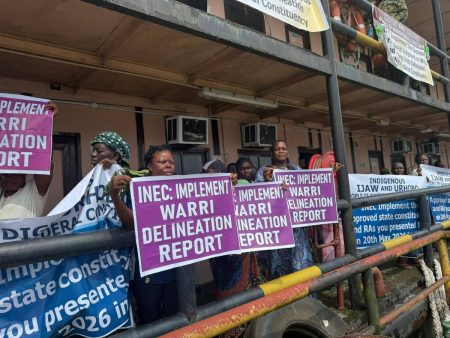
    Ijaw women threaten Nigeria’s oil output, shut nine flow stations

    Schlumberger backs Nigeria’s energy reforms 

    Nigeria’s petrol import bill falls 96% to ₦87.4bn

    E-book
    Resilience Exhibition

    Latest News

    NERC unveils net billing scheme for solar power producers

    June 9, 2026

    Ijaw women threaten Nigeria’s oil output, shut nine flow stations

    June 9, 2026

    Obi demands answers as Nigeria’s debt nears N200 trillion

    June 9, 2026

    Schlumberger backs Nigeria’s energy reforms 

    June 9, 2026

    Nigeria’s $1trn economy needs investments, not government spending – Shettima

    June 9, 2026
    Demo
    Facebook X (Twitter) Instagram
    • Opec Daily Basket
    • Oil
    • Power
    • Gas
    • Freight
    • Financing
    • Labour
    • Technology
    • Solid Mineral
    • Conferences/Seminars
    • Community Development
    • Nigerian Content Initiative
    • Niger-Delta Question
    • Insurance
    • Other News
    • Focus
    • Feedback
    • Hanging Out With Markson

    Subscribe for Updates

    Get the latest energy news from Sweetcrudereports.

    Please wait...
    Please enter all required fields Click to hide
    Correct invalid entries Click to hide
    © 2026 Sweetcrudereports.
    • About Us
    • Advertise with us
    • Privacy Policy

    Type above and press Enter to search. Press Esc to cancel.