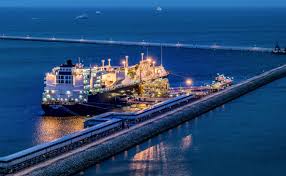
• 92.6% of all Yamal Arctic LNG exports in January 2026 went to the EU, totalling 1,690,517 tonnes.
• 23 of 25 Yamal Arctic LNG cargoes were delivered to EU ports, despite Russia’s ongoing war against Ukraine.
• EU imports from Yamal rose 8% compared with January 2025.
• 20 of 25 cargoes were transported by vessels linked to Seapeak (UK) and Dynagas (Greece).
• All vessels delivering cargoes were insured in Europe.
Lagos — Russian Arctic LNG flows to EU remain dominant in January 2026 ahead of EU and UK sanctions decisions.
Campaigners say the figures underscore that European infrastructure and maritime services remain central to Russia’s LNG export revenues, and they are urging governments to close remaining sanctions loopholes.
Limited diversion outside Europe
Only 2 cargoes were delivered to China, both using Arc4 ice class vessels. These voyages took 44 and 58 days, compared with the typical 6 to 9 day delivery time to EU terminals, demonstrating how dependent Yamal LNG remains on European destinations.
Two critical lifelines keep Yamal LNG running
– Access to EU ports
At present, Yamal LNG exports continue to flow overwhelmingly to Europe, with no sustained shift toward alternative markets.
– Dependence on the Arc7 tanker fleet
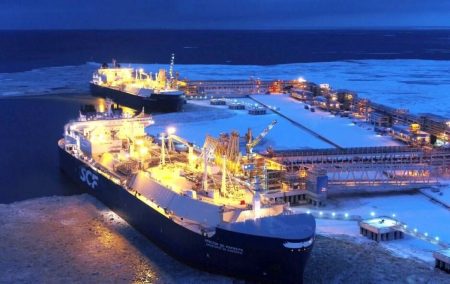
During winter operations in the Gulf of Ob, only Arc7 ice class tankers can operate.
11 of 14 Arc7 vessels serving Yamal are operated by Seapeak (UK) and Dynagas (Greece), making this fleet a clear strategic bottleneck.
Campaigners warn that continued LNG traffic from Russia’s Arctic projects also carries growing security and geopolitical risks in an increasingly contested Arctic region, adding urgency to calls for action.
Campaigners argue that restricting access to these vessels and related maritime services would significantly curb Russia’s ability to sustain LNG exports during winter operations.
Reacting to the new January Data, Sebastian Rötters, Sanctions Campaigner at urgewald, said:
“Russia’s Arctic LNG trade depends on a small fleet of Arc7 tankers and continued access to European ports and services. The EU and the UK now have a clear opportunity to act together. Sanctioning and restricting these vessels would directly cut off Putin’s Arctic LNG revenues and close one of the most important remaining energy loopholes funding the Kremlin’s war.”