– As uranium row deepens
– Niger accuses Orano of environmental crimes
– Orano denies operations at Madaouela
Dakar — Niger has accused French nuclear fuel group Orano of “predatory behavior” and environmental crimes, escalating a bitter dispute over control of the West African nation’s uranium mines.
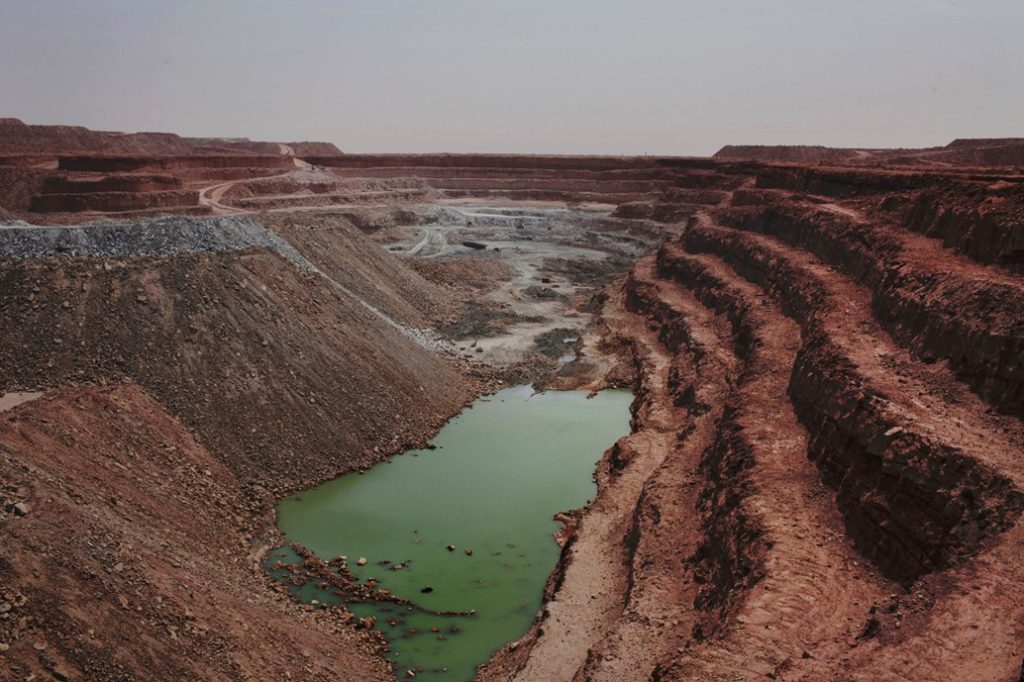
The military-led government said Orano could face criminal proceedings for “mass crimes” after authorities reported finding 400 barrels of radioactive core material in Madaouela, near Arlit, where Orano used to operate its uranium mines.
Make sense of the latest ESG trends affecting companies and governments with the Reuters Sustainable Switch newsletter. Sign up here.
Orano, 90% owned by the French state, said it had not received any official notice of legal action and denied operating at Madaouela.
“Orano does not hold an operating license for the Madaouela site and has conducted no operations there,” the company said in a written response to Reuters’ questions.
Justice Minister Alio Daouda said the radiation in the area was much higher than normal — about 7 to 10 microsieverts per hour, compared to the usual 0.5 microsieverts. Tests also found two substances that are linked to breathing problems and could be harmful to people.
ORANO HAS NO LEGAL NOTICE FROM NIGER
The row follows Niger’s June nationalization of the Somaïr mine, stripping Orano of its 63.4% stake.
Niger began transporting uranium from the site last week, saying it was exercising its sovereign right despite a World Bank tribunal order barring it from accessing the stockpile.
Orano condemned the move as illegal and warned the shipment posed serious safety and environmental risks, saying it had no evidence the transport met global standards.
Niger is the world’s seventh-largest producer of the nuclear fuel and cancer treatment material. France, which relies on nuclear power for 70% of its electricity, sourced about 15% of its uranium from Niger when the West African nation’s mines were in full operation.
Niger’s expropriation of Orano’s stake mirrors a broader regional shift, with military-led governments in Mali, Burkina Faso and Guinea asserting more control over resources.
Reuters previously reported that about 1,500 metric tons of uranium were stockpiled at Somaïr, with potential buyers including Turkish, Iranian and Russian interests.
This entrepreneur is betting on one of the tiniest living things on Earth to help build a cleaner future: algae.
*Niger Newsroom and Maxwell Akalaare Adombila in Dakar; Editing by Felix Bate and Tomasz Janowski