Paris, France — Equatorial Guinea is moving from strategy to execution in its bid to become a regional gas hub. A series of agreements signed in early 2026 – covering cross-border supply, upstream participation and infrastructure utilization – are positioning the country to monetize gas through existing assets and regional aggregation.
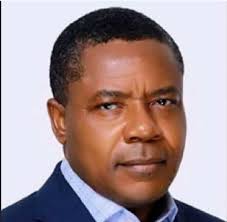
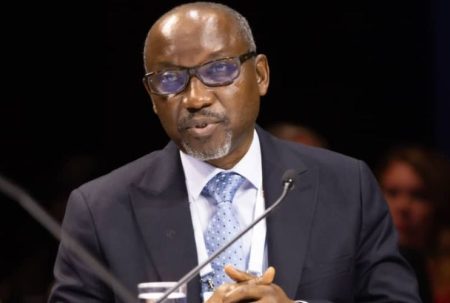
This agenda will take center stage at the Invest in African Energy (IAE) Forum in Paris, where Equatorial Guinea will feature in a dedicated Country Spotlight session led by Antonio Oburu Ondo, Minister of Mines and Hydrocarbons. With participation from key industry players, including Panoro Energy and Perceptum, EG Ronda bid round organizer, the forum will provide a platform to outline the country’s gas sector repositioning and where investors can engage.
Momentum behind this model has accelerated in recent months. In February 2026, Equatorial Guinea and Cameroon signed a unitization agreement to jointly develop the cross-border Yoyo-Yolanda gas fields, estimated to hold around 2.5 trillion cubic feet of gas. Production from the project is slated to feed directly into Equatorial Guinea’s Punta Europa complex, reinforcing the country’s hub strategy without requiring standalone export infrastructure.
Simultaneously, the government strengthened domestic supply through a Heads of Agreement with Chevron to expand the Aseng gas project, increasing GEPetrol’s stake from 5% to over 30%. This not only stabilizes production but also secures additional feedstock for downstream processing, linking upstream development directly to the hub model.
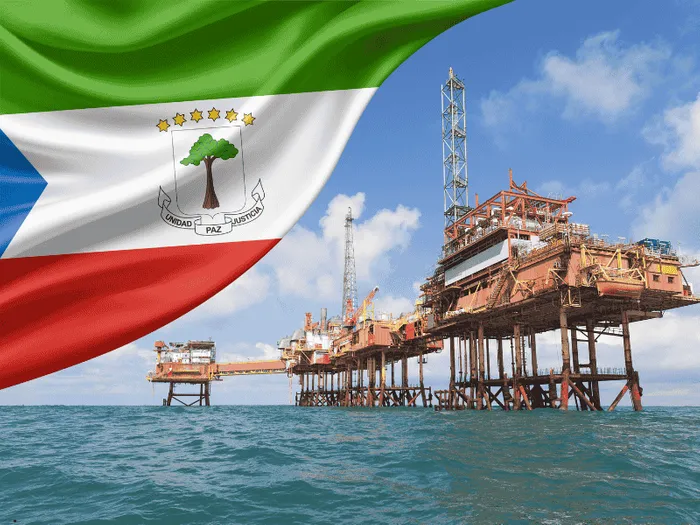
Rather than focusing on new LNG developments, Equatorial Guinea is aggregating domestic and regional gas volumes to maximize existing infrastructure. At the core of this approach is the Punta Europa complex on Bioko Island, one of sub-Saharan Africa’s most advanced gas processing hubs, with LNG, methanol and LPG facilities already in place. The current challenge is securing reliable feedstock as output from legacy fields such as Alba declines.
The Gas Mega Hub initiative offers a faster, more cost-effective route to monetization. By processing third-party volumes from Cameroon, and potentially Nigeria, the country can leverage existing facilities while avoiding the risks and capital intensity of greenfield LNG projects. This approach opens a spectrum of investment opportunities across gas aggregation, transport, processing and downstream integration, often structured through commercially aligned frameworks that reduce execution risk.
Policy and regulatory support are central to this transition. The Ministry of Mines and Hydrocarbons has prioritized regulatory alignment and cross-border cooperation, recognizing that successful hub development depends as much on enabling frameworks as on physical infrastructure. The recent agreements reflect growing clarity and investor confidence.
For the global investment community, IAE 2026 offers a strategic opportunity to engage directly with government and operators shaping the hub model. The participation of both policymakers and companies active in the sector reinforces the credibility and immediate relevance of Equatorial Guinea’s strategy.
Equatorial Guinea is no longer waiting for new discoveries to drive growth. By leveraging existing infrastructure, securing regional supply and building flexible commercial models, the country is positioning itself as a critical node for gas monetization in West Africa. Success here could extend the life of its assets while establishing a platform for regional energy trade.