Precious Anga
Lagos — Former presidential spokesman, Femi Adesina, has challenged Nigerian media organisations to move beyond routine coverage of climate change and energy poverty, urging editors to develop specialist reporting that captures the realities faced by households and communities.
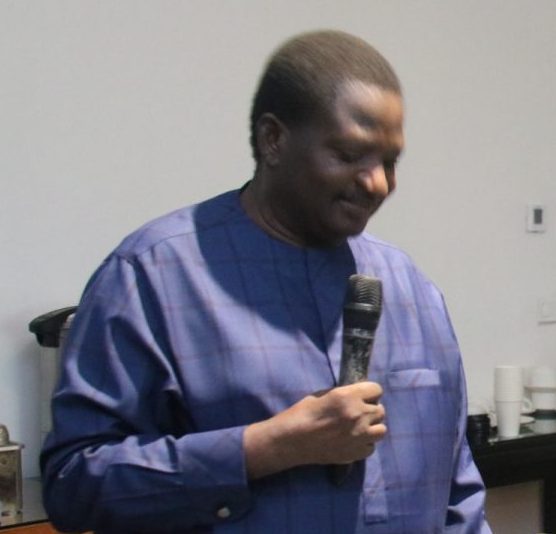
Adesina made the call on September 2, 2026, while delivering a presentation, “Reporting Climate Change and the Challenges of Energy Poverty,” to energy editors.
He described energy poverty as an extension of poverty, arguing that people deprived of basic necessities are also likely to struggle to obtain reliable and affordable energy.
“Wherever there is poverty, which is lack, deprivation, indigence, destitution and penury, there will necessarily be energy poverty.”
According to Adesina, energy poverty is characterised by inadequate access to electricity and dependence on polluting fuels such as wood, charcoal and dung. He said the consequences are serious for both human health and the environment.
“When there’s energy poverty, there’s little or no electricity, the use of polluting fuel is prevalent (wood, charcoal, dung etc) instead of clean energy. The impact on the environment is deleterious.”
He said the media had a responsibility to report these consequences because climate and energy issues directly affect the quality of life of citizens. However, he identified weak specialisation, inadequate climate literacy and over-reliance on second-hand information as major obstacles to effective reporting.
“Climate and energy issues are simply dumped under the Business Desk,” Adesina said, arguing that the practice limits the depth and quality of coverage when journalists are not given the training needed to understand the sectors.
He also challenged journalists to bring the Nigerian experience into climate and energy stories by relying more on local voices and showing how the issues affect real people. His prescription was direct: “Domesticate it. Humanize it.” He also cautioned against excessive emphasis on catastrophic events without sufficient attention to the underlying issues driving climate and energy vulnerability.
Adesina said the responsibility should not rest solely with individual reporters. “Issues of energy and climate must be corporate. Management of media houses must own it, and give due attention. Not left to individual whims and caprices,” he said. He called for more specialist journalists, stronger capacity development through local and international conferences, better-quality data and improved resources for reporting.
He further urged media organisations to retain experienced journalists and invest in the skills required for sustained sector coverage. Adesina said the quality of climate and energy journalism would ultimately depend on whether the industry was prepared to treat the subject as a core editorial responsibility rather than an occasional assignment.