Precious Anga
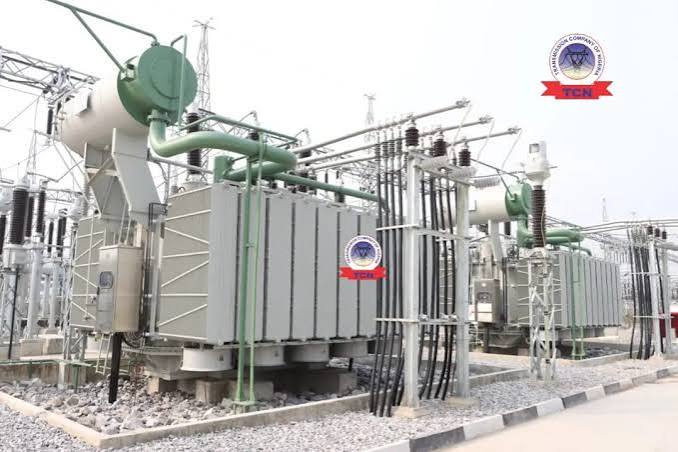
Lagos — The Transmission Company of Nigeria, TCN, has said the rehabilitation of the Amuwo 132/33kV Transmission Substation in Lagos is about 80 per cent complete but remains stalled by the delayed arrival of critical equipment being manufactured in China.
Acting General Manager, TCN Lagos Region, Engr. Funmi Ikoko, disclosed this during a fact-finding tour of TCN facilities by the Lagos State Electricity Regulatory Commission, LASERC, team led by its Chief Executive Officer, Temitope George, and Executive Member of Engineering and Standards, Engr. Olopade Adekunle.
Ikoko said contractors are waiting for contactors, relays and other materials required to complete the outstanding work, adding that the equipment is not being sourced locally. She said the contractor expects the materials to arrive within about one to two months.
“It depends on when their own material comes in. It’s not here. It’s not being sourced locally. They are making it for China. And they promise, according to them, it will soon arrive. But we still should give them about a month plus, less than two months,” she said.
The latest delay follows an earlier setback over the outage required to carry out the rehabilitation. TCN had needed to shut down the station completely but could not do so until alternative arrangements were made to keep electricity flowing to customers served by the facility.
According to Ikoko, TCN has since deployed mobile transformers, diverted loads and extended lines from Ojo towards the Festac axis to reduce the impact of the shutdown. With the alternative supply arrangement now in place, the outstanding China-made equipment has become the key requirement for completing the rehabilitation.
The project, which began in March, was originally scheduled for completion by July 30, 2026. TCN had earlier said the rehabilitation included the installation of GIS equipment and the replacement of two 30MVA transformers with 60MVA units, which would increase the substation’s capacity by an additional 60MVA upon completion.
The delay comes as LASERC raises concerns over constraints further down the electricity value chain. The commission said available transmission capacity is not always being fully absorbed by distribution networks, with bottlenecks around feeder capacity, load uptake and system protection limiting electricity delivery to consumers.
LASERC officials said TCN and DisCos both have capacity, but infrastructure gaps between the transmission and distribution networks must be addressed. The commission also cited instances in which as much as 200MW of available electricity could not be taken up because of downstream limitations.
For Lagos, the Amuwo rehabilitation therefore forms part of a wider effort to strengthen the network and improve the ability of the state’s electricity infrastructure to move available power to consumers. LASERC said greater investment and network redundancy would be required across both transmission and distribution infrastructure.