
Close Menu
    Facebook X (Twitter) Instagram
    Facebook X (Twitter) Instagram
    SweetCrudeReportsSweetCrudeReports
    Subscribe
    • Home
    • Oil
    • Gas
    • Power
    • Solid Minerals
    • Labour
    • Financing
    • Freight
    • Environment
    • Community Development
    • Renewable Energy
    • E-Editions
    SweetCrudeReportsSweetCrudeReports
    Home » Lokpobiri defends subsidy removal, cites fiscal gains

    Lokpobiri defends subsidy removal, cites fiscal gains

    September 28, 2026
    Share
    Facebook Twitter LinkedIn WhatsApp
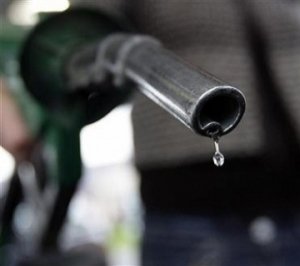
    *Fuel dispenser nozzle.

    Tanya Davidson

    Port Harcourt — The Minister of State for Petroleum Resources, Heineken Lokpobiri, has defended the Federal Government’s decision to remove petrol subsidy, citing the fiscal burden of the former regime and increased revenue available for distribution among Nigeria’s tiers of government.

    Lokpobiri said President Bola Ahmed Tinubu’s decision to discontinue petroleum subsidy payments on May 29, 2023, marked a major shift in the country’s economic policy.

    The minister said the former subsidy regime imposed “significant fiscal costs” on the country, while the subsequent downstream deregulation and subsidy removal created opportunities for substantial fiscal savings and increased government revenue.

    Speaking on Channels Television’s Politics Today, Lokpobiri said the reform should be assessed against both its immediate costs and longer-term fiscal implications.

    “To cushion the effects that may have come with the reform, because change is never easy, the Government has instituted several interventions,” he said.

    He listed the Nigeria Education Loan Fund, NELFUND, wage award for civil servants, review of the national minimum wage, Presidential CNG Initiative, conditional cash transfers and support for small businesses and vulnerable households among the measures introduced to mitigate the impact of the reform.

    According to him, the fiscal savings generated by the removal of subsidy have also increased revenue available for distribution among the Federal Government, states and local governments.

    The minister acknowledged that the reform has imposed immediate economic pressures on households and businesses, but maintained that its implications extend beyond the short-term impact of higher petroleum prices.

    “Ultimately, the reform remains a significant economic policy shift, with both immediate costs and longer-term fiscal implications for Nigeria,” Lokpobiri said.


    Related News

    Lokpobiri rejects fuel price fixing, defends deregulation

    Nigeria must process critical minerals locally, Wunti tells FG

    Atiku promises cheaper fuel with local refining subsidy

    Comments are closed.

    E-book
    Resilience Exhibition

    Latest News

    NMDPRA sets conditions for Nigeria’s commercial gas market shift

    September 28, 2026

    Lokpobiri defends subsidy removal, cites fiscal gains

    September 28, 2026

    Nigeria Customs arraigns three over alleged wildlife trafficking in Kano

    September 28, 2026

    NCDMB opens knowledge academy to wider oil industry

    September 28, 2026

    No decade of gas without decade of pipelines, experts warn

    September 28, 2026
    Demo
    Facebook X (Twitter) Instagram
    • Opec Daily Basket
    • Oil
    • Power
    • Gas
    • Freight
    • Financing
    • Labour
    • Technology
    • Solid Mineral
    • Conferences/Seminars
    • Community Development
    • Nigerian Content Initiative
    • Niger-Delta Question
    • Insurance
    • Other News
    • Focus
    • Feedback
    • Hanging Out With Markson

    Subscribe for Updates

    Get the latest energy news from Sweetcrudereports.

    Please wait...
    Please enter all required fields Click to hide
    Correct invalid entries Click to hide
    © 2026 Sweetcrudereports.
    • About Us
    • Advertise with us
    • Privacy Policy

    Type above and press Enter to search. Press Esc to cancel.
