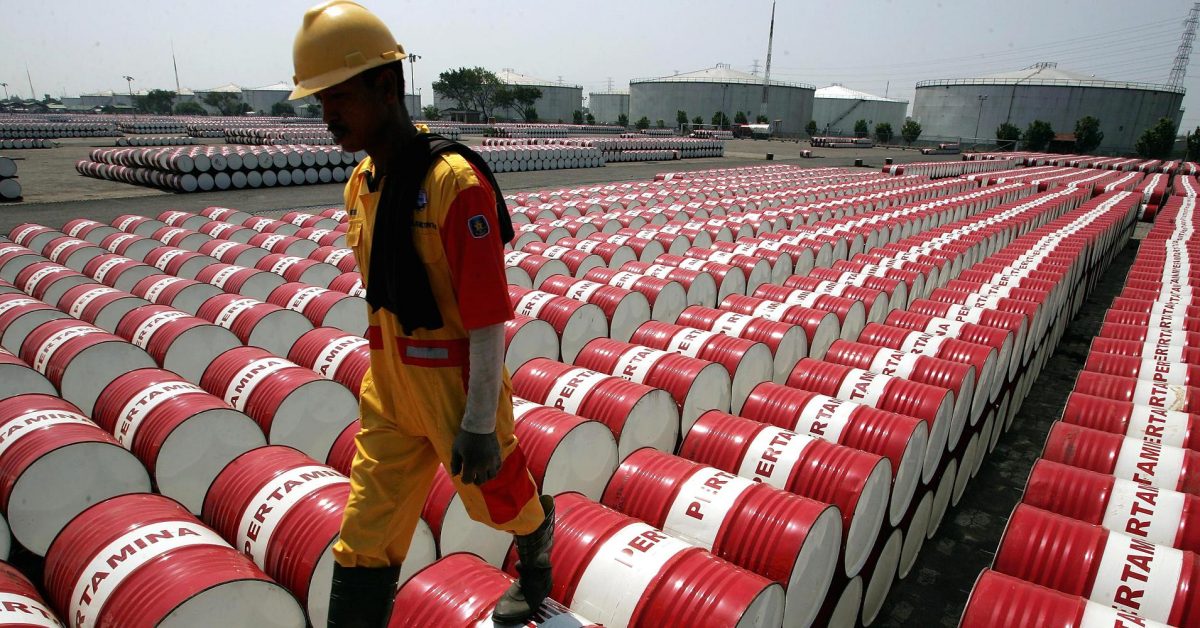
 02 September 2014, Lagos – Airline operators in the country spend over 40 per cent of their total funds on aviation fuel.
This means they are left with about 60 per cent of the funds to cover other costs and expenses, including maintenance, payment of salaries, levies, taxes and other sundry expenses.
The Chairman, Airline Operators of Nigeria, Capt. Noggie Meggison, disclosed this to our correspondent in an exclusive interview in Lagos on Monday.
He said this was the reason why many airlines in the country were struggling to survive, while some others had to close shop just within five to seven years of operating.
In the light of this, he said it was necessary for the Federal Government to step into the situation to ease the burden of airline operators in the country.
One of the ways this can be done, according to him, is through the revival of the aviation supply projects in Warri and Lagos.
Meggison said, “Most airline operators spend approximately 40 per cent of their operational cost on aviation fuel; sometimes it goes beyond that, and that is on fuel alone; and this is due to the increasing price of aviation fuel, which is sold between N160 and N170 per litre by oil marketers.
“It is, therefore, important for the Federal Government to intervene in the issue by ensuring that it revives the Aviation Fuel Turbine at the Warri refinery as well as the Atlas Cove and Mosemi pipelines hydrant system for the supply of aviation fuel. These pipelines supplied aviation fuel to the airport before they were shut by the late General Sani Abacha-led military regime in January 1996.”
He explained that before the pipelines were shut, fuel was being pumped through them from Atlas Cove and Mosimi to the aircraft and not even one truck supplied fuel from the ports to the airport.
In the last two months, air travellers have had to grapple with lots of delays and outright cancellation of scheduled flights, with the problem traced to inadequate supply of aviation fuel.
A source at the Nigerian Civil Aviation Authority, who did not want to be quoted because he was not authorised to speak on the issue, had told our correspondent that the problem of scarcity of aviation fuel was as a result of some unresolved issue with fuel tanker operators at Apapa.
The source said, “I believe it is as a result of the tanker issue in Apapa. You know the tankers parked there have been causing a lot of gridlock, and since they were ordered to vacate the place, the operators have been having challenges getting fuel.
“However, it is an issue that has to be sorted out between the Federal Airports Authority of Nigeria and the Nigerian National Petroleum Corporation; it really has nothing to do with the NCAA.”
– The Punch