Mkpoikana Udoma
Port Harcourt — Akwa Ibom State Government has dismissed claims by the Cross River State Government that the ownership of 76 offshore oil wells may be up for political review, stating unequivocally that the matter was conclusively settled by the Supreme Court in July 2012 and cannot be revisited.
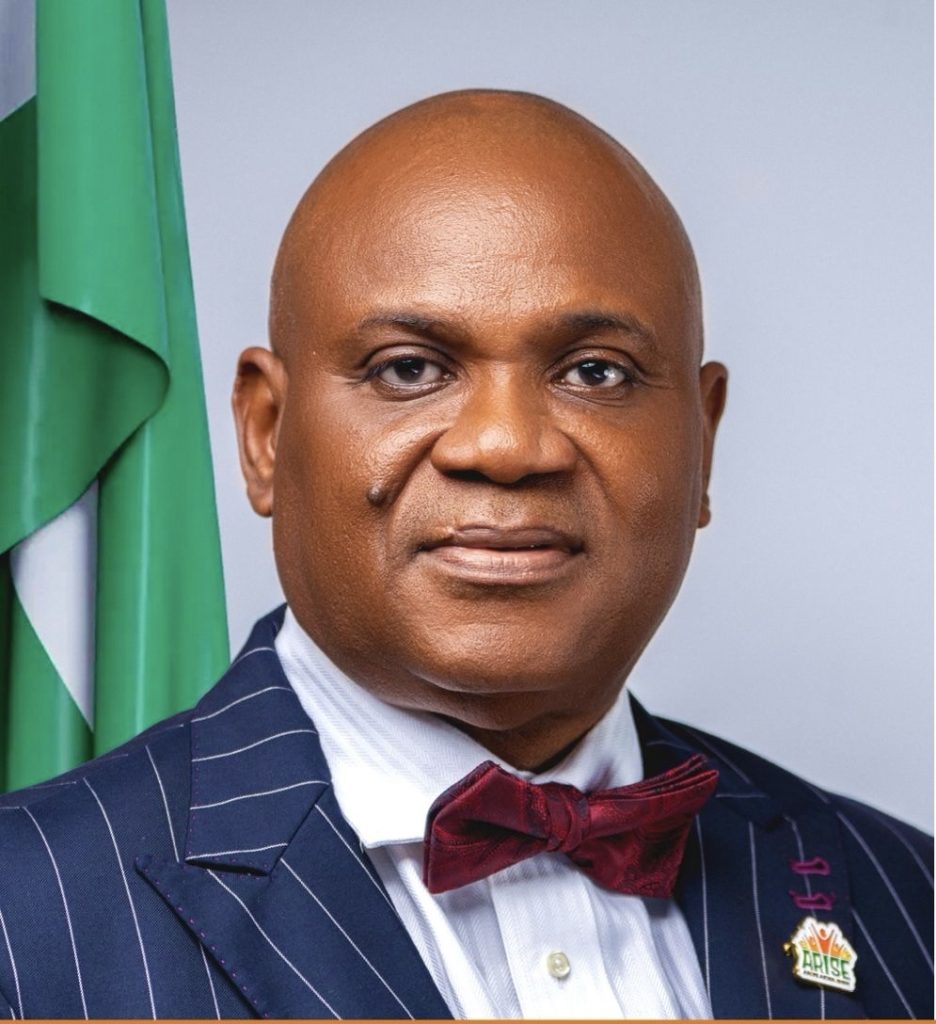
Speaking on Arise News TV, Akwa Ibom State Commissioner for Information, Aniekan Umanah, described the renewed conversations as “misleading and unnecessary,” and urged Nigerians to disregard any claim that contradicts the apex court’s ruling.
“This is a settled matter. The Supreme Court, in July 2012, ruled on this matter and placed a permanent seal on this conversation,” Umanah said.
“That is the highest court of the land. Once the Supreme Court gives a ruling, it is final. This is not a matter we should even talk about. This is a matter that Akwa Ibom State did not even take to court. I mean, it is sealed.”
The renewed controversy stems from recent media reports quoting Cross River State officials as suggesting a “political settlement” was being considered on the ownership of the oil wells, nearly 12 years after the Supreme Court verdict. But Akwa Ibom says any such review would amount to an assault on the judicial finality granted by the Constitution.
In its landmark ruling in July 2012, the Supreme Court had ruled in favour of Akwa Ibom State, affirming its status as the rightful beneficiary of the 76 disputed offshore oil wells.
The court held that Cross River had ceased to be a littoral state following the ceding of the Bakassi Peninsula to Cameroon in 2008, and therefore had no maritime boundary to support its claims.
Justice Olufunlola Adekeye, who read the lead judgment, stated: “Cross River State no longer has any maritime boundary. It is landlocked. The plaintiff, not being a littoral state and not having a maritime boundary, the 76 oil wells, which are the subject matter of the suit, which lie offshore and within a maritime territory, cannot be attributed to it.”
The ruling also dismissed the earlier political agreement brokered in 2006 by then-President Olusegun Obasanjo, which sought to allocate some oil wells to Cross River State, an arrangement the court found had been nullified by geopolitical and international realities.
With the Supreme Court judgment standing as law, Akwa Ibom insists that it will not entertain any further debate on the ownership of the oil wells, especially not on the basis of “political negotiation.”
“The law is clear. The facts are clear. The matter is closed,” Umanah concluded.
Beyond the oil well controversy, Umanah took the opportunity to highlight ongoing developmental strides in Akwa Ibom under Governor Umo Eno’s “Arise Agenda,” which he described as “a tangible experience” reshaping the state.
He cited progress in education, agriculture, rural infrastructure, MSME development, and tourism, including the Arise Park in Uyo, the Marine Resort in Oron, and the International Convention Centre and Ibom Tropicana Hotel projects.
“The Arise Agenda is not just a policy; it is a lived experience across every corner of the state,” Umanah said.
He also confirmed that the recent visit by Governor Umo Eno, alongside Senate President Godswill Akpabio and two other senators from the state to President Bola Ahmed Tinubu, was aimed at securing federal support for key infrastructure projects, including the long-anticipated Ibom Deep Seaport.
“It was a strategic move to strengthen ties with the Federal Government and unlock development opportunities for Akwa Ibom,” Umanah noted.