Lagos — With bunker prices having increased by 76% since the US war on Iran, together with an ageing fleet operating longer voyages as ships navigate around conflict zones, shipmanagers and crews need to look more closely at their engines if they want to reduce costs, advises engine monitoring specialist CM Technologies (CMT).
CMT believes the combined effect of higher fuel costs, older ships (average age is 13 according to Clarksons data) and machinery and tighter emissions requirements is increasing the value of detailed engine performance data.
“Shipowners cannot control the carbon price, and they have limited control over the price of bunker fuel, but they can investigate whether their ageing ships and engines are running as efficiently as they can,” said David Fuhlbrügge, joint managing director, CMT.
Aside from the commercial pressures associated with VLSFO currently trading at around US$881/mt, the introduction of regulations targeting carbon emissions means regular engine performance monitoring is also crucial to keeping carbon penalties down.
Shipping is already included in the EU Emissions Trading System, while methane and nitrous oxide were included in the scheme in 2026.
FuelEU Maritime has also entered its first verification period this year, while IMO’s Carbon Intensity Indicator continues to require ships of 5,000gt and above to calculate and report operational carbon intensity.
“Small problems result in significant increases in specific fuel oil consumption and spikes in carbon emissions,” he said. “But if crews have reliable cylinder pressure and combustion data, they can make the necessary adjustments to reduce emissions and energy losses.”
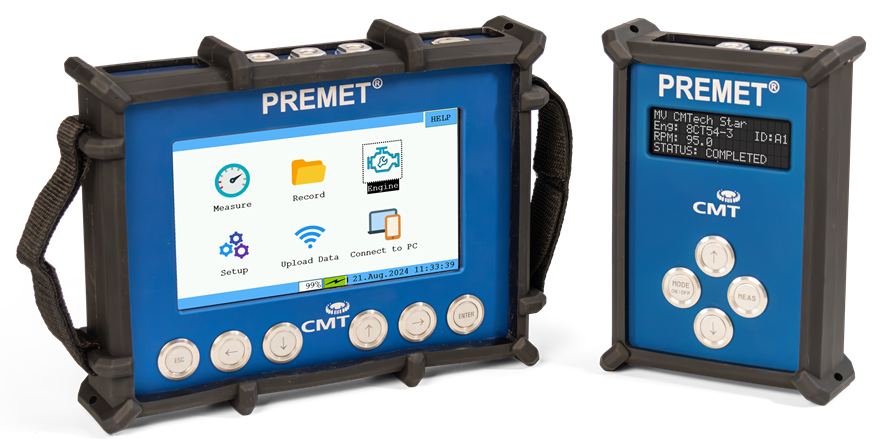
Referencing the company’s flagship PREMET®X diesel performance analyser, Fuhlbrügge explained that the technology measures cylinder pressure during engine operation, allowing engineers to examine the combustion process and identify any anomalies.
The portable device uses a Kistler PiezoSMART pressure sensor to analyse and export engine pressure data, while the PREMET Fleet Manager tool can compare engine performance across shipping fleets. All information is uploaded to the browser-based PREMET Cloud allowing data from sister engines to be compared and trended.
Fuhlbrügge said the ability to trend measurements is particularly important because a single engine reading provides only part of the picture.
“Before considering what can be changed around the ship, it makes sense to know whether the machinery already installed is giving the performance expected from it,” he said.
PREMET X can also be supplied with CMT’s acoustic emission sensor to provide additional information on the fuel-injection process. The non-penetrative sensor detects acoustic signals generated by events including fuel passing through the injector nozzle, injector needle movement and the opening and closing of the fuel pump spill.
This allows engineers to examine injection timing and identify deviations, late combustion or leaking injectors without penetrating the engine’s high-pressure fuel lines.
CMT has more than 200 companies operating the latest generation of PREMET X, with each shipping company having between 1 and 50 devices. “If we include older generation models, the number is significantly higher,” said Fuhlbrügge.