– A stitch in time saves nine. The unfolding crisis over Dawes Island is a stark reminder that early corrective action is often the cheapest, fairest, and wisest path. Unfortunately, that stitch was available in 2021 — and it was ignored.
Markson Ibibo
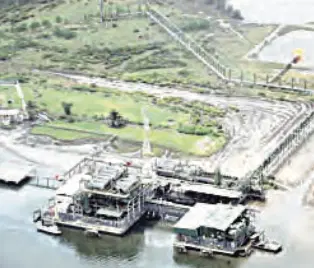
Port Harcourt — The Dawes Island marginal field dispute has evolved from an administrative controversy into a full-blown legal, financial, and reputational crisis. What could have been resolved through timely regulatory prudence and equitable stakeholder engagement has now left all parties bruised, financially exposed, and locked in avoidable contention.
A review of earlier publications shows that the warning signs were present from the outset. The failure to heed them has proven costly.
Overview of the Court Judgment
On 29 January 2026, the Federal High Court delivered a decisive judgment concerning the Dawes Island Marginal Field. The Court upheld validity of Eurafric’s title to the field including its Farm Out Agreement with NNPC and voided the title previously granted exclusively to Petralon Energy and restored rights to Eurafric Energy Limited.
The ruling effectively invalidated the regulator’s earlier revocation and subsequent award process. The judgment did not merely determine ownership; it underscored fundamental issues of due process, fairness, and regulatory accountability.
The legal outcome has now reshaped the landscape — but at significant cost.
The Fallout: No Real Winners
The tragedy of Dawes Island is that every principal party has suffered financial loss.
- Eurafric Energy injected all capital expenditure and committed substantial resources toward the development of the field from the date of award through to the farm-in by its partners. Following the revocation, it solely shouldered all field-related expenses. To date, those investments remain unrecovered.
- The Joint Venture (Eurafric Energy, Petralon Energy and Tako E&P Limited) suffered financial loss following the disputed revocation of their interests. Years of delay meant opportunity cost, capital stagnation, and legal expenses.
- Petralon Energy invested development expenditure in the field under regulatory approval. With the Court’s decision, much of that investment now sits in uncertainty.
- The regulator’s actions have resulted in reputational strain, protracted litigation, and institutional scrutiny.
The bottom line is stark: all parties are out of pocket. The field itself has suffered delayed development, and the nation has lost time, revenue, and investor confidence.
The Ignored Warning: 2021 House of Representatives Committee on Public Petitions Ruling
The most troubling aspect of this saga is that it was foreseeable — and preventable.
As far back as 2021, the House of Representatives Committee on Public Petitions reviewed petitions relating to the revocation of Dawes Island from the Joint Venture and its subsequent award to Petralon exclusively. The Committee flagged the exclusive award of the field to Petralon as irregular and suspicious. It recommended the equitable re-award to the joint venture.
That recommendation was the “stitch in time.”
Had the regulator acted decisively then — embracing fairness and shared development — years of litigation, capital destruction, and strained industry relations could have been avoided.
Instead, the recommendation was not implemented. The dispute escalated. Positions hardened. Litigation followed.
The Regulator’s Role
The regulator cannot be absolved of responsibility in this unfortunate yet avoidable crisis.
- The initial revocation from the joint venture triggered instability.
- The subsequent exclusive award to Petralon deepened suspicion.
- The failure to heed the House Committee’s findings prolonged the dispute.
- The matter was allowed to drift into costly courtroom battles.
Regulatory discretion must always be exercised with transparency, consistency, and sensitivity to commercial consequences. When early corrective guidance from a legislative oversight body is ignored, systemic risks multiply.
Empathy for All Sides
It is important to approach this matter with balance.
Eurafric, the original awardee and operator of the Field, deployed significant capital, technical expertise, and operational resources toward the appraisal and development of the Field. Following the revocation, Eurafric continued to incur substantial financial and opportunity costs in defending its title and that of the JV. Those investments, commitments, and losses remain unrecovered. Any equitable resolution of the matter must therefore recognize Eurafric’s prior capital deployment, operatorship responsibilities, sunk costs, and the commercial prejudice suffered as a result of the regulatory actions that gave rise to the present dispute.
Petralon invested in good faith under regulatory approvals. It made capital deployment, technical mobilization, and operational efforts. The loss and uncertainty it now faces deserve recognition and empathy.
At the same time, the Joint Venture (Eurafric Energy, Petralon Energy and Tako E&P Limited) was earlier displaced through a revocation that has now been judicially questioned. Their financial exposure, delay costs, and prolonged exclusion from the field were equally significant.
This is not a story of villains and victims. It is a story of regulatory missteps that placed commercial actors in adversarial positions.
The Case for Amicable Resolution
Protracted litigation rarely produces holistic justice in complex commercial energy disputes. Court victories do not automatically repair balance sheets, restore partnerships, or rebuild trust.
The national interest — and indeed the commercial interest of all parties — would be better served by:
- Structured negotiation.
- Equitable joint development frameworks.
- Investment recovery mechanisms.
- Regulatory facilitation of collaborative restructuring.
It is not too late to do the needful.
An equitable restoration of the field to its pre-revocation status can allow all parties regain and secure their rightful interests, recover and participate meaningfully, and enhance unfettered development of the field. It will also allow the regulator restore credibility through corrective leadership.
The Stitch Still Possible
A stitch in time saves nine — but even delayed stitching is better than continued tearing.
Dawes Island represents a cautionary tale for the Nigerian oil and gas sector. Regulatory prudence, early dispute resolution, and equitable stakeholder management are not optional luxuries — they are essential pillars of sustainable resource governance.
All parties have suffered enough. The crisis was avoidable. The losses are real. The lesson is clear.
Now is the moment for constructive engagement — not further entrenchment.
All principal stakeholders have incurred losses.