Mkpoikana Udoma
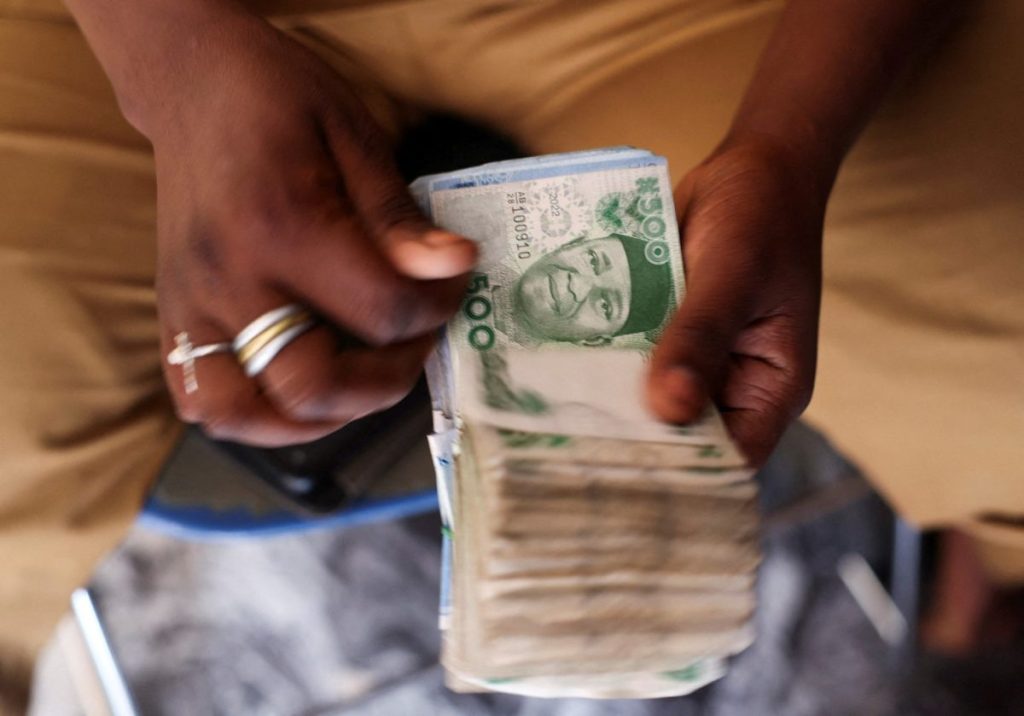
Port Harcourt — Nigeria’s inflation may have “eased” on paper in October 2025, but millions of households facing unprecedented rent hikes and rising living costs say the National Bureau of Statistics’ latest numbers fail to reflect economic reality.
According to the Consumer Price Index, CPI, report released by the NBS, headline inflation dropped to 16.05% in October from 18.02% in September, a decline that appears inconsistent with steep increases in accommodation, transportation, school fees and essential services nationwide.
The CPI itself rose to 128.9 from 127.7 in September, indicating that prices continued to rise even as the NBS reported a slowdown in the rate of increase. Economists say the contradiction is glaring: inflation is “easing,” but Nigerians are paying more than ever, especially for rent and energy.
Urban inflation rose month-on-month to 1.14% from 0.74%, a jump driven largely by aggressive rent reviews and rising service charges in major cities. In Lagos, Abuja, Uyo and Port Harcourt, tenants are reporting rent hikes of 200% to 400%, far above the national inflation rate cited by the NBS.
Core inflation, which tracks rents and other non-food essentials, remains high at 18.69% year-on-year, raising further questions about the claim that inflation is cooling. Analysts insist the agency’s new CPI base year has produced a statistical effect that makes inflation appear lower than what households feel in their pockets.
“On a month-to-month basis, prices are rising faster. Rent is rising. School fees are rising. Transport is rising. Energy is rising. Fuel price has increased slightly. So where exactly is inflation easing?” one Port Harcourt-based financial analyst asked.
Similarly, an Uyo real estate expert described the contradiction as “stark and alarming,” noting that “Rent is rising by 200 to 300 percent in major Nigerian cities. People are being priced out of their homes. How does that translate to easing inflation?”
Even the NBS acknowledges in its own report that the rate of price increase actually accelerated, stating that month-on-month inflation “was 0.93% in October 2025, higher than the 0.72% recorded in September.”
Urban households, the group most affected by rent increments, are bearing the worst pressure. The twelve-month average inflation rate for urban areas stands at 22.68%, far above wage growth in both the public and private sectors.
Food inflation also rose month-to-month, driven by increases in onions, fruits, vegetables and meat, tightening pressure on household budgets already battered by rent and transport costs.
State-level data shows further disparities: Ekiti, Nasarawa and Zamfara recorded the highest year-on-year inflation, while Niger, Anambra and Enugu posted the sharpest monthly increases.
Analysts note that these states are among those experiencing aggressive rent reviews, reinforcing the disconnect between official data and lived experience.
Despite the NBS report painting a picture of easing inflation, millions of Nigerian families are battling rent hikes that have quadrupled within a year, triggering relocations, overcrowding, evictions and rising default rates.