Oscarline Onwuemenyi
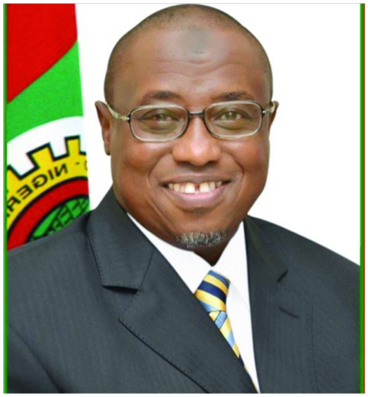
25 November 2017, Sweetcrude, Abuja – The Group Managing Director of the Nigerian National Petroleum Corporation (NNPC) Dr. Maikanti Baru, has proffered guidelines for Nigeria to achieve the much desired diversification of its economic base away from the vulnerability and fragility of oil and gas revenue.
Speaking at the 40th Pre-Convocation Lecture of the Ahmadu Bello University, in Zaria, on Friday, Baru, a first class Mechanical Engineering graduate of the University, said Nigeria must seek to diversify the portfolio of economic activities, reduce dependency on mono sector and take advantage of new opportunities advanced by technology.
The NNPC GMD, who was speaking in the lecture entitled: Oil & Gas Industry and the Nigerian State: Enduring Value, Promoting Economic Integration and Social Stability, regretted that the perennial complete dependence on oil as our main source of national income had remained a fundamental problem to the Nigerian economy.
He, however, expressed optimism that the foundation for long term economic growth through its tripod agenda of ensuring security, curbing corruption and growing the economy had been well articulated in the 2017 – 2020 Economic Recovery and Growth Plan of the present administration.
The GMD listed the recipes to include investments in infrastructure which entails improving transportation network and access to power and other utilities which would reduce the cost of doing business and improving competitiveness; promoting agricultural growth because agriculture is still the sector that employs the largest share of the labour force in most developing and transiting economies, including Nigeria.
“Improving agricultural productivity and commercialization, and linking producers to markets are among some of the important measures required in this regard. Examples of Countries such as Chile and Malaysia confirmed the proposition that a healthy rural economy is necessary for industrialization because the linkages between the two are obvious,” the GMD said.
He also professed that economic diversification that embraced various sectors such as Agriculture, Mining, and Manufacturing could rescue the nation from the current economic doldrums.
He said it was this strategy that had the potential of creating jobs for the teeming unemployed population of the youths as well as boosting the foreign exchange earnings of Nigeria.
Other options for diversification listed by the GMD included: Encouraging entrepreneurship and innovation through improved access to information, communication technology, finance and research and development; Promoting private investment in non-extractive sectors through improving the business and regulatory environment, providing better access to finance, and supporting entrepreneurship and skills development.
He added that Regional Economic Cooperation (RECs) was another factor which could enable the attainment of economic diversification by creating common markets, pooling resources, and providing a framework to coordinate the Regional management of infrastructure such as transportation corridors, energy and natural resources.
Dr. Baru stated that a good recipe for economic diversification should include increased investments in education, especially science, technology, technical and vocational education.
On the role of the university in promoting economic diversification, revenue growth and job creation, the GMD noted that Nigeria’s dream would not be fully realized without the deliberate contribution of the academia.
“Our Universities must move from certificate awarding institutions and take leading position in strengthening the foundation for National prosperity through innovation and entrepreneurial education. These days, no nation can move forward by mass-producing graduates, who cannot move on their own until they are pushed,” he said.