London — Lower-income countries’ external debt payments to private lenders remain three times higher than payments to China, research shows, shedding light on the complex, costly web of creditors they face as they struggle to keep up repayments.
The research, by advocacy group Debt Justice UK, underscores the power private lenders – from bondholders to commodity trading houses – have in countries across the developing world which juggle debt repayments with spending on other needs, from education to infrastructure.
Tim Jones, policy director at Debt Justice, said the data countered a narrative that China has played a primary role in creating debt crises in lower-income countries.
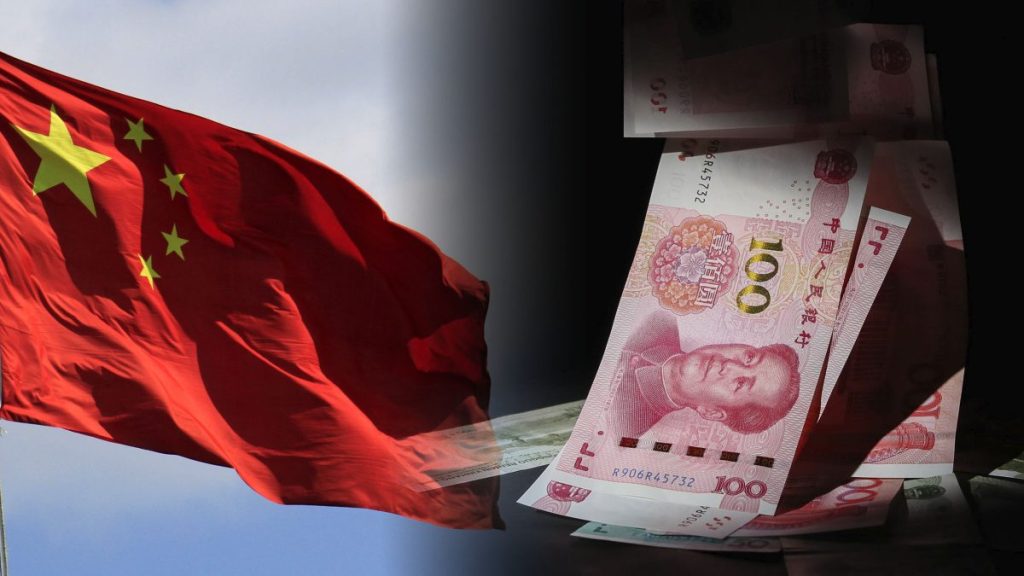
China has lent hundreds of billions of dollars for infrastructure and other projects in developing countries and has used earnings of commodity exports, or cash held in restricted escrow accounts, from borrower nations as security for the loans.
“Commercial high-interest lenders are receiving the greatest debt payments by lower-income countries,” Jones said in a statement. “Where debt payments are too high, all external creditors need to cancel debt, in proportion to the interest rates they charged.”
While a post-pandemic wave of defaults has largely crested, developing countries still struggle with unsustainable debt as concessional financing shrinks, borrowing costs remain high and spending needs for infrastructure and climate resilience rise.
Ethiopia is locked in debt restructuring negotiations with bondholders who have rejected taking haircuts, while Ghana and Zambia are still negotiating deals with some private creditors.
The International Monetary Fund also recently wrote that Malawi was in default on $439 million in loans to Afreximbank and $464 million to Trade and Development Bank.
Debt Justice’s research, using World Bank data, found that between 2020 and 2025, 39% of external debt payments by 88 lower-income countries and small island developing states – a total of $354 billion – went to private lenders, compared with 34% to multilaterals, 13% to Chinese public and private lenders and 14% to repay bilateral loans to other governments.
Of the 32 countries with the highest external debt payments, 21 of them sent more than 30% of payments to private lenders.
Only six of them – Angola, Cameroon, Congo Republic, Djibouti, Laos and Zambia sent more than 30% of external debt payments to Chinese lenders.
The data also showed a sharp increase in repayments to multilateral lenders – from $30 billion in 2020 to $70 billion in 2025.
Jones said the rise followed a rapid increase in multilateral lending from 2019, which accelerated during the COVID-19 pandemic. Many of those loans are starting to come due now, he said, while those with floating interest rates would have become more expensive during the global interest rate hiking cycle.
*Libby George, editing: Alexandra Hudson – Reuters