Precious Anga
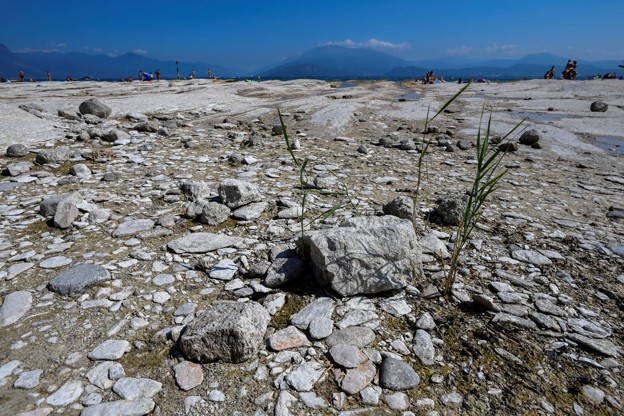
Lagos — Europe’s electricity market has come under renewed pressure as extreme heat and falling water levels disrupt power generation, with electricity prices in parts of the region surging to about €500 per megawatt-hour after Hungary temporarily shut down its Paks nuclear power plant.
The shutdown, triggered by critically low water levels in the Danube, removed a major source of Hungary’s electricity supply at a time when soaring temperatures were simultaneously increasing demand for air conditioning across the country.
Hungarian Prime Minister Péter Magyar said the Paks plant was being taken offline because the Danube’s water level had fallen further, describing the development as an unprecedented event for the facility, which had not experienced a complete shutdown of this nature in 44 years.
The four-unit Paks nuclear plant supplies a significant share of Hungary’s electricity, meaning its temporary loss immediately tightened the country’s power balance and sent wholesale electricity prices sharply higher across the region.
The development highlights a growing vulnerability within Europe’s power system: the same extreme weather conditions that increase electricity demand can also restrict the ability of conventional power plants to generate electricity.
Nuclear plants require substantial quantities of water for cooling, while hydropower generation also depends directly on adequate water availability. As rivers become warmer and water levels fall, operators can be forced to reduce output or temporarily shut facilities to comply with environmental and safety requirements.
France faced a similar challenge in July when several nuclear reactors had their output reduced or were temporarily taken offline amid exceptionally high temperatures and inadequate river conditions for cooling.
The pressure comes as Europe experiences increasingly frequent periods of extreme heat. The continent is warming faster than any other continent, according to climate assessments, increasing the likelihood that heatwaves and water shortages will become more important factors in electricity planning.
The implications extend beyond electricity prices. Higher temperatures increase cooling demand, particularly among elderly people and other vulnerable groups, just as supply constraints can make electricity more expensive and potentially less available.
The World Health Organisation has consistently identified extreme heat as a major public-health threat, while recent research cited in the report estimates that hundreds of thousands of people globally died from heat-related causes annually between 2000 and 2019.
The latest disruption therefore exposes a difficult challenge for Europe’s energy transition. Nuclear power and hydropower remain important sources of low-carbon electricity, but both can face physical limitations during severe heat and drought conditions.
Renewable sources such as wind and solar can reduce dependence on water-intensive generation, but their variable output creates a separate requirement for stronger transmission networks, battery storage, demand management and other forms of flexible generation.
The situation has consequently strengthened calls for electricity systems to be designed around increasingly volatile weather conditions rather than historical patterns. Energy planners are being forced to consider not only how much generation capacity a country possesses, but whether that capacity can remain available during extreme heat, drought and other climate-related disruptions.
For Europe, the lesson from the latest price shock is increasingly clear: energy security is no longer simply a question of having enough generation capacity. Countries must also ensure that their power systems can withstand the changing environmental conditions under which those plants operate.
The challenge is particularly significant for countries seeking to expand nuclear power while facing growing water stress. New reactor designs, improved cooling systems, water recycling and greater reliance on air-cooled technologies could reduce the sector’s exposure to declining freshwater availability.
At the same time, greater investment in solar, wind, storage and interconnected electricity networks could provide additional resilience by diversifying the sources available when individual technologies are affected by extreme weather.
The surge to €500/MWh therefore offers more than a snapshot of Europe’s summer electricity market. It is a warning that climate resilience must increasingly become part of energy security planning, with governments and utilities required to prepare for a future in which extreme heat and water scarcity can affect both electricity demand and supply at the same time.