15 November 2014, Sweetcrude, Accra – Preliminary fiscal data for January to September 2014 indicate that both revenue and expenditure were below their respective targets for the period, even though the shortfall in revenue was lower than the shortfall in expenditure.
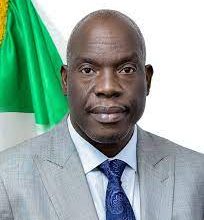
According to Dr Henry Kofi Akpenamawu Wampah, Governor of the Bank of Ghana (BoG), who made this known at a news conference in Accra on Wednesday at the end of the 62nd Regular Meeting of the Monetary Policy Committee (MPC), total revenue and grants realised was GH¢17.7 billion (15.4% of GDP) falling short of the target of GH¢18.4 billion (16% of GDP).
Dr Wampah said the shortfall in government receipts was partly due to lower import volumes, decline in commodity prices particularly gold in the world market, and the slowdown in economic activity arising from energy challenges.
He said total expenditure, including payments made for the clearance of arrears and outstanding commitments, was GH¢24.4 billion (21.3% of GDP) compared with the budgeted ceiling of GH¢25.8 billion (22.5% of GDP), while the compensation of employees summed up to GH¢7.6 billion against a budget target of GH¢8.1 billion, with interest payments also totalling GH¢4.9 billion.
As a result of these developments, he said, the overall budget balance for the review period, registered a deficit of GH¢6.7 billion, equivalent to 5.9 per cent of GDP, against a target of 6.4 per cent, adding that the deficit was financed from external and domestic sources– GH¢4.7 billion and GH¢2 billion from external and domestic sources respectively.
Dr Wampah disclosed that total public sector debt stock as at the end of August 2014 was GH¢65.7 billion (57.3% of GDP), up from 55.5 per cent of GDP (GH¢51.9 billion) as at the end of December 2013 while the domestic debt component as at end-August 2014 was GH¢28.5 billion (43.3% of total), with the external debt stock at US$11.9 billion (56.7% of total).
On external sector developments, BoG Governor disclosed that the provisional trade balance for January to September 2014 registered a deficit of US$681.3 million (1.8% of GDP) compared to a deficit of US$2.7 billion (5.6% of GDP) for the same period in 2013, as the decline in imports continued to outpace the slowdown in exports.
He said total exports for the nine-month period decreased from US$10.4 billion in 2013 to US$10.1 billion in the review period due to significant reductions in all of Ghana’s major exports except cocoa beans and products which increased by 11.4 per cent during the period to US$1.9 billion.
Exports of gold of US$3.4 billion for the period, crude oil of US$2.9 billion and other non-traditional exports of US$1.9 billion, he said, recorded decreases of 9.2 per cent, 1.7 per cent and 5.1 per cent respectively.
He said total imports for January to September also declined by 17.8 per cent year-on-year to US$10.7 billion, resulting from 22.8 per cent decline in non-oil imports, partially mitigated by a 2.2 per cent increase in oil imports.
Dr Wampah said at the end of October 2014, gross international reserves stood at US$5.9 billion representing a build-up of US$314.2 million from the end of December 2013, sufficient to provide 3.4 months of import cover, adding that this had since improved to US$6.6 billion as at November 7, 2014 equivalent to 3.8 months of import cover.
He said developments in the foreign exchange markets indicated a generally weaker domestic currency in 2014 and that for the first ten months of the year, the cedi cumulatively depreciated by 31.2 per cent against the US dollar in the interbank market, compared to 7.4 per cent in the corresponding period last year.
*Government of Ghana