Mkpoikana Udoma
Port Harcourt — Beyond environmental cleanup, the Hydrocarbon Pollution Remediation Project, HYPREP, is gradually restoring social cohesion in Ogoni communities, the Project Coordinator Professor Nenibarini Zabbey has said.
Prof. Zabbey made the remark during a post-restoration fish stock assessment in Bomu, conducted alongside University of Port Harcourt researchers, HYPREP technical staff, and local fisherfolk.
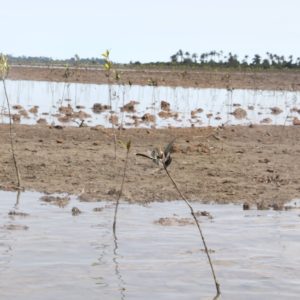
The activity follows the successful restoration of 560 hectares of mangrove areas under Phase 1 of the Project, which saw 1.5 million mangroves planted.
“The project is not just about remediation,” Prof. Zabbey said. “We are also re-engineering social cohesion and gradually restoring cultural bonds in Ogoni.”
The study, initiated in November 2023, employed local fish fencing techniques across three study stations to assess fish volume, species abundance, and biodiversity recovery.
Early results indicate notable improvement in catch size, volume, and diversity, signalling the gradual return of ecosystem goods and services.
“Mangrove restoration improves the shoreline habitat, provides breeding and feeding grounds for fish, and enhances overall ecosystem health,” Zabbey explained. “This directly supports the livelihoods of our fisherfolk and strengthens community resilience.”
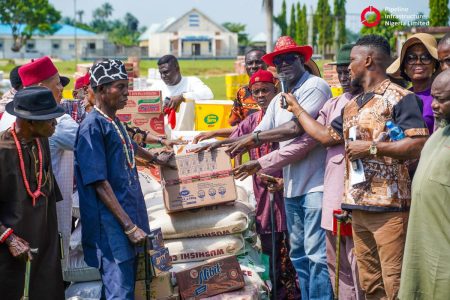
Beyond ecological recovery, the exercise also fostered socio-cultural interactions. After the fieldwork, Prof. Zabbey and his team shared a waterfront feast with community members, enjoying fresh fish pepper soup prepared by local women.
“Until recently, the shoreline’s air quality was poor, and livelihoods were heavily disrupted by hydrocarbon pollution,” Zabbey noted. “Seeing the community come together and celebrate the results of restoration is both remarkable and fulfilling.”
Community leaders welcomed the initiative. “This is a step forward in restoring our means of livelihood,” said one local fisherfolk. “HYPREP is not only cleaning the environment but also bringing our people together again.”
The post-restoration assessment underscores HYPREP’s commitment to UNEP’s recommendations for Ogoni and highlights the interconnectedness of environmental recovery, economic revival, and cultural restoration in the region.