Precious Anga
Lagos — India is considering waiving electricity transmission charges for renewable energy developers whose projects have been delayed by inadequate grid infrastructure, as the government moves to prevent setbacks to its ambitious clean energy expansion programme.
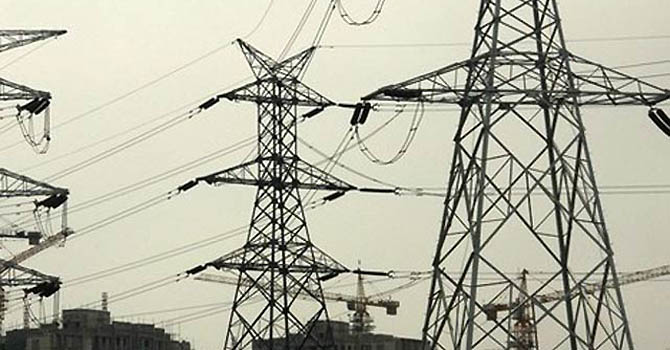
The proposed relief, currently under consideration by the Central Electricity Regulatory Commission, CERC, is expected to benefit solar and wind developers struggling to commission completed projects because of insufficient transmission lines to evacuate generated electricity.
According to a Reuters report, the incentive will apply only to developers that sign power purchase agreements, PPAs, with a minimum tenure of seven years before the end of 2026. The government is also evaluating whether battery energy storage projects should receive similar incentives as part of broader efforts to strengthen grid flexibility and reduce dependence on fossil fuels.
The move builds on earlier reforms introduced in July 2025, when India began phasing out interstate transmission charges for renewable energy projects to encourage investment in clean power generation.
However, despite rapid growth in renewable capacity, the expansion has increasingly outpaced transmission infrastructure, leaving dozens of solar, wind and hybrid projects unable to deliver electricity to consumers.
India has set an ambitious target of developing 500 gigawatts, GW, of non-fossil fuel electricity generation capacity by 2030 as part of its long-term decarbonisation strategy. Solar energy currently contributes about 29 per cent of the country’s non-fossil electricity capacity, with the government aiming to increase installed solar capacity from about 162 GW to more than 292 GW by the end of the decade.
That target, however, faces mounting pressure following new industrial policies designed to reduce India’s reliance on imported solar components, particularly from China. Although India has developed solar module manufacturing capacity of approximately 200 GW, domestic solar cell production remains significantly lower at around 27 GW, creating supply chain constraints for new projects.
Despite these challenges, India recorded another milestone in the 2025/26 financial year by adding a record 44 GW of new solar capacity, making it one of the world’s fastest-growing renewable energy markets.
The rapid pace of deployment has exposed weaknesses in the country’s electricity transmission network, with many completed renewable projects waiting months to connect to the national grid because transmission infrastructure has failed to keep pace with generation capacity.
Coal continues to dominate India’s electricity mix, accounting for nearly 70 per cent of total power generation. However, government projections suggest coal’s share could fall below 50 per cent by 2035 as solar and wind capacity expands and battery storage systems become more widely deployed.
Battery storage has become increasingly important to India’s energy transition strategy because it enables renewable electricity generated during peak sunshine and windy periods to be stored and dispatched when demand rises or renewable output falls.
Industry experts believe expanding transmission infrastructure will be critical if India is to fully utilise its growing renewable energy capacity and avoid costly delays that could discourage future investment.
The latest proposal reflects New Delhi’s determination to remove infrastructure bottlenecks that threaten to slow renewable energy deployment while maintaining momentum towards its long-term climate and energy security objectives.
If approved, the transmission charge waiver is expected to provide immediate financial relief for developers, accelerate project completion, strengthen investor confidence and support India’s broader strategy of reducing reliance on coal without compromising electricity supply reliability.