– Says Nigeria losing economically from poor coordination
Mkpoikana Udoma
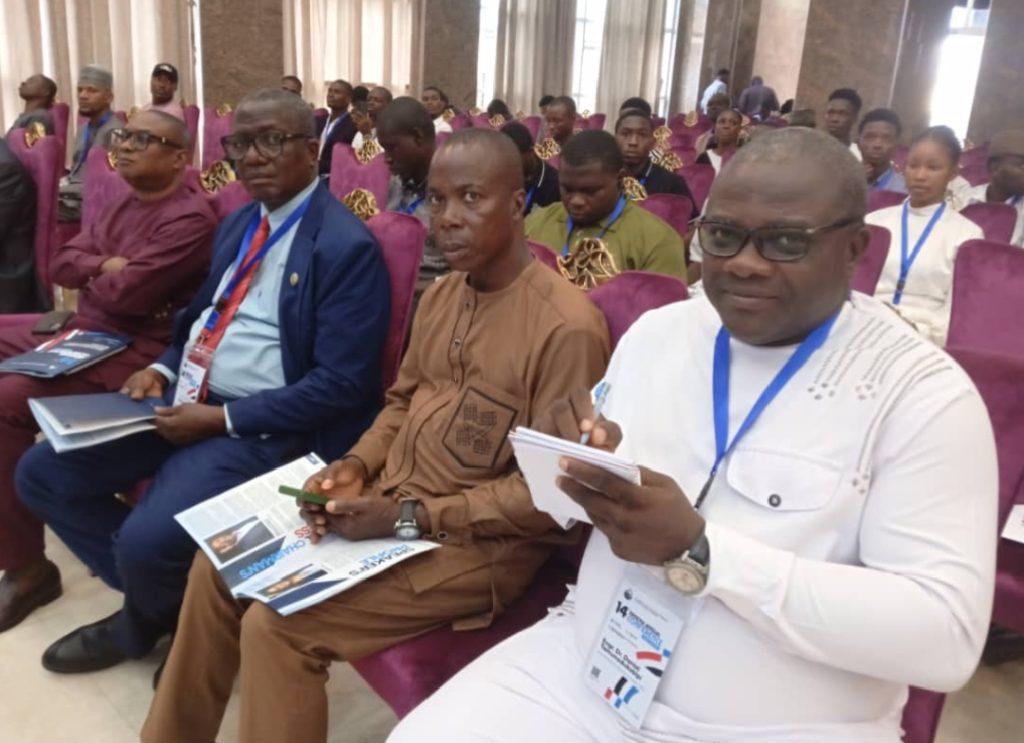
Port Harcourt — Nigeria risks losing billions in maritime economic value due to weak institutional coordination and absence of a unified national vision for the blue economy, marine engineers and naval architects have warned at the 14th Annual Conference of the Nigerian Institution of Marine Engineers and Naval Architects, NIMENA, in Port Harcourt.
Speaking on the sidelines, NIMENA National Chairman, Engr Dr. Sylvanus Eferebo, said Nigeria’s maritime sector, responsible for over 90 percent of the nation’s international trade, was being slowed down by fragmented agencies and lack of harmonised policies.
“We cannot continue like this,” he declared. “There are too many agencies doing their own thing without a central national vision. Until we forge one pathway, Nigeria will keep losing value in the blue economy.”
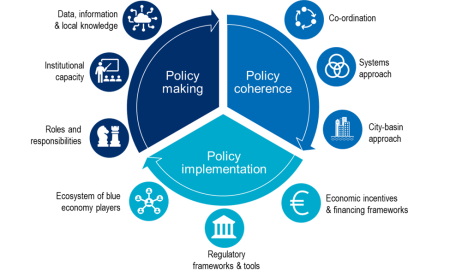
Eferebo warned that Nigeria’s failure to coordinate standards across NIMASA, NPA, NIWA, SON, NCDMB and other agencies was costing the industry competitiveness.
“Weak inter-agency coordination, poor regulation of imports, substandard engines and poor maintenance culture are draining billions from our maritime economy,” he said.
The NIMENA boss emphasised that even critical maritime problems, such as boat mishaps, rickety crafts and dirty waterways, were indicators of the absence of harmonised policy and smart regulatory systems.
“These problems persist because we don’t have structured solutions,” he said. “With a national vision, digital transformation will clean our waters, improve safety and drive new economic opportunities.”
He insisted that Nigeria holds enough natural advantages to lead Africa in maritime business.
“We have one of the longest coastlines, the highest oil and gas activities on water, and the largest youth population to power maritime innovation,” Eferebo stated.
Despite the challenges, Eferebo expressed optimism.
“There is huge hope for Nigeria’s blue economy. The evidence is already showing. But we must act fast and act together,” he said.
Also speaking, keynote presenter Engr Olu Aladenusi, represented by Ayman Ibrahim Adam, warned that Nigeria must urgently embrace digital maritime infrastructure or risk economic irrelevance.
“Digital transformation in maritime is no longer an evolution but a full-scale revolution,” he said. “If Nigeria fails to adapt quickly, the consequences will be severe. But if we move now, we can become Africa’s maritime power hub.”
For his part, Singapore-based tech expert, Chandni Jaga, added that only a unified national vision could unlock the industry’s wealth potential.
“Nigeria needs one single maritime vision, if that happens, everything else will follow: innovation, investment and global competitiveness,” she said.
With the sector still classified as “infant,” the conference urged urgent reforms to standardise shipbuilding, strengthen inspections, improve local fabrication standards, and expand maritime engineering manpower through joint Navy-university research programmes and shipyard apprenticeships.