Mkpoikana Udoma
Port Harcourt — The Nigerian Content Development and Monitoring Board, NCDMB, has reiterated its support for the ban on Barite importation, reaffirming its commitment to indigenous production, mining sector integration, and backward linkage strategies critical to Nigeria’s industrial growth.
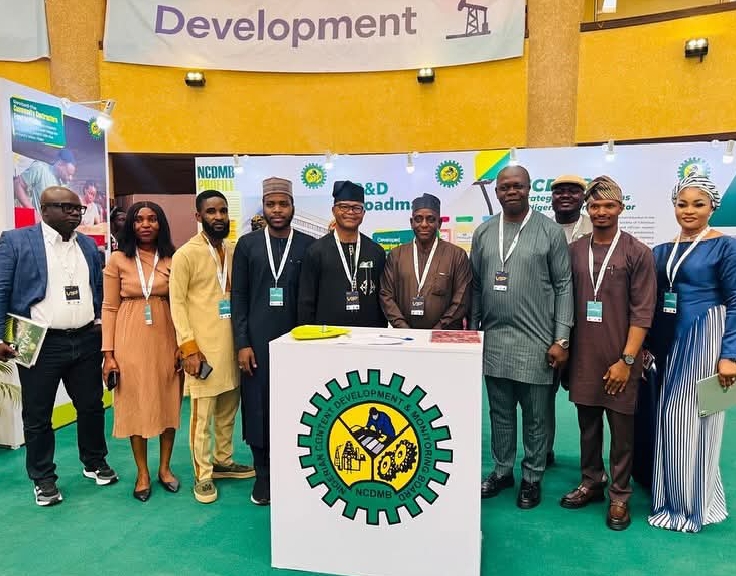
Delivering a goodwill message, the Executive Secretary, Engr. Felix Omatsola Ogbe, at the 4th African Natural Resources and Energy Investment Summit, AFNIS, in Abuja, said the Board had instituted strong measures to ensure that only locally compliant Barite producers are approved for use by oil and gas operators in Nigeria.
Held at the State House Conference Centre in Aso Rock Villa under the theme “Harnessing Local Content for Sustainable Development,” the summit attracted stakeholders from across Africa’s natural resource and energy sectors.
Ogbe represented by Mr. Abdulmalik Halilu, Director of Corporate Services at NCDMB, described local content not as a constraint but as a catalyst for industrial transformation, emphasizing that NCDMB was focused on linking Nigeria’s vast natural resources with domestic manufacturing capacity.
He said, “We are not just promoting local content in policy, we are backing it with enforcement. Barite importation is no longer tenable. We must encourage mechanized, high-quality production that meets industry specifications.
“Let us refine our natural wealth with local expertise and build a globally competitive Africa from within,” he told delegates.
The NCDMB further outlined key local content milestones, including: “A ban on Barite imports, boosting Nigerian mining operations and industrial processing. Expansion of indigenous steel fabrication, especially for energy infrastructure.”
Others are, “Local procurement mandates that prioritize Nigerian-made pipes and industrial components. Collaboration with Customs and regulatory bodies to enforce the Nigeria First Policy.
“A COREN-NCDMB partnership mandating only certified Nigerian engineers on oil and gas projects. A $350 million Nigerian Content Intervention Fund and NOGAPS industrial parks aimed at expanding local job creation and manufacturing capabilities.”
The summit also highlighted broader continental ambitions for industrialization through local content enforcement.
Speaking during a tour of the Asba & Wisdom Lithium Processing Plant in Burum Wasa District, Abuja, Kenya’s Cabinet Secretary for Mining, Blue Economy, and Maritime Affairs, Hassan Ali Joho, praised Nigeria’s progress in mineral value addition.
“Africa can no longer afford to be just an exporter of raw materials. Nigeria’s lithium plant is a model for how we add value locally, create jobs, and move closer to industrial sovereignty.”
Also, Moses Michael Engadu, Secretary General of the African Mineral Strategy Group, emphasized the role of cross-border collaboration and harmonized regulations in transforming Africa’s extractive industry.
“This is the time for unified African strategies to move from potential to productivity,” Engadu stated.