Mkpoikana Udoma
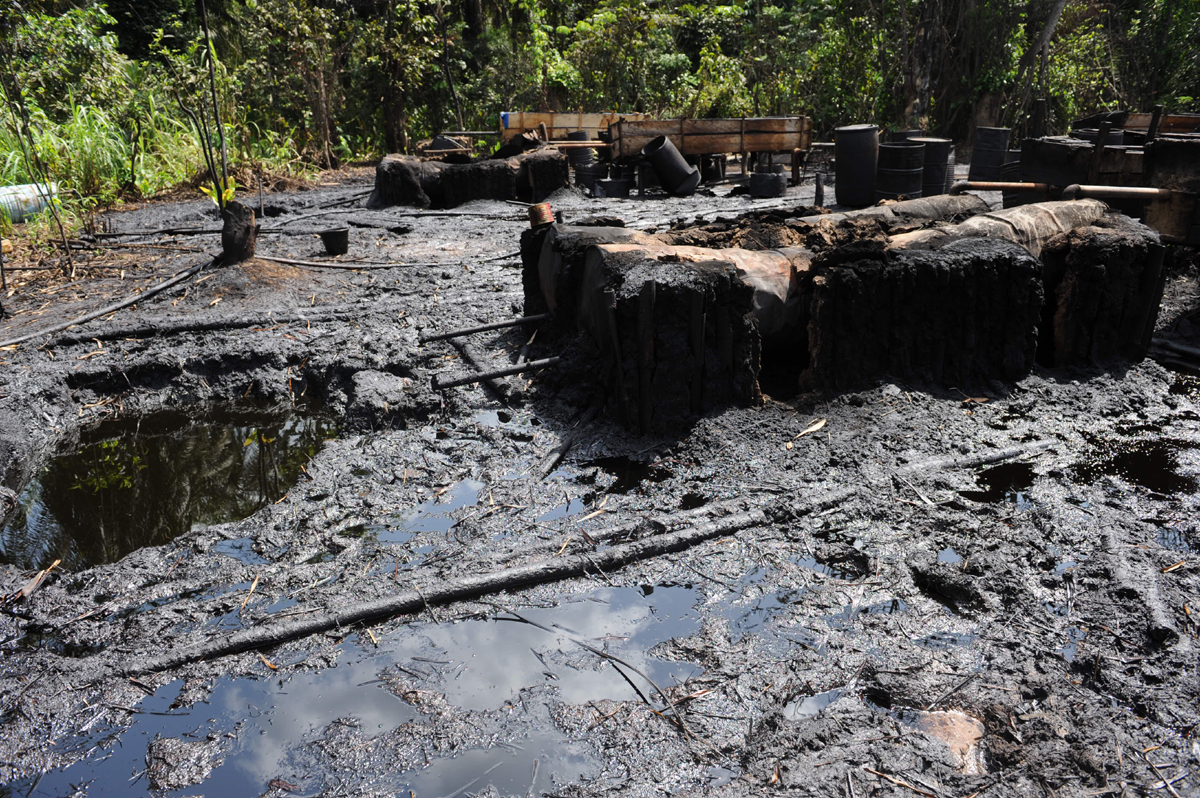
Port Harcourt — Oil-producing communities and environmental experts have warned that life expectancy in the Niger Delta has fallen to between 40 and 47 years, about 15 years below Nigeria’s national average, linking the decline to decades of hydrocarbon pollution, gas flaring, and regulatory failures.
The figure was presented at a town hall meeting organized by the Community Development Advocacy Foundation, CODAF, in Akwa Ibom State, with participants drawn from Eket and Ibeno communities to mark the conclusion of the Africa Week of Action themed “Kick Polluters Out of Nigeria.”
The meeting became a platform for sharp criticism of oil operations by International Oil Companies, including TotalEnergies, Shell, Eni, ExxonMobil, and Seplat Energy, which community members accused of sustaining environmental damage under the guise of corporate social responsibility.
Project Manager of CODAF, Endurance Oriakhogba, said the worsening health indicators were directly tied to long-term exposure to pollution.
“This 15-year gap is a direct consequence of cumulative hydrocarbon pollution, contaminated water sources, respiratory diseases from gas flaring, and destruction of agricultural livelihoods,” he said.
Oriakhogha cited a major spill in August 2024 that allegedly affected over 27 coastal communities in Ibeno Local Government Area.
“The spill severely polluted local water bodies and disrupted fishing activities,” he added, warning that such incidents continue to undermine coastal livelihoods.
He also drew comparisons with global energy policy shifts, noting: “France has banned new exploration licenses and is phasing out extraction by 2040. Yet companies like TotalEnergies continue extraction abroad. That contradiction must be interrogated.”
A youth leader from Eket, Honour Michael, accused the Nigerian government of failing affected communities.
“The government has turned a deaf ear to the cries of impacted communities due to compromise and corruption within regulatory bodies,” he said, adding that compensation rarely reaches victims.
According to him, “Even when payments are made, they do not get to the affected individuals. Communities are left without legal or institutional recourse.”
Another community member, Asan Ekong, raised concerns about recent changes in corporate branding practices by oil firms.
“Seplat has begun removing its logos and branding from projects and staff uniforms in the community,” he said, describing it as “a tactic to reduce accountability and distance the company from visible environmental damage.”
Ekong also accused oil companies of weakening local resistance structures. “They fuel corruption among community leaders and government officials, neutralizing internal opposition,” he alleged.
The meeting ended with a unified community resolution to escalate action against polluting firms through a coordinated strategy, including class-action lawsuits, economic pressure, legislative petitions, international complaints to the UN Special Rapporteur, and the creation of a Community Pollution Register.
CODAF pledged to support what it described as a non-violent but sustained “Kick Out Polluters” campaign, as communities in Eket and Ibeno vowed to transition “from passive victims to active litigants and advocates.”