 Precious Anga
Lagos — Fresh concerns have emerged over the environmental impact of oil exploration activities in parts of the Niger Delta as a civil society organisation has demanded the release of the Environmental Impact Assessment (EIA) report of Tulcan Energy Resources Limited, operator of Oil Mining Licence (OML) 14.
The Network Advancement Programme for Poverty and Disaster Risk Reduction (NAPPDRR) said communities in Akwa Ibom State deserve full access to information relating to oil operations in their environment, especially amid growing complaints of ecological degradation, declining livelihoods and public health concerns.
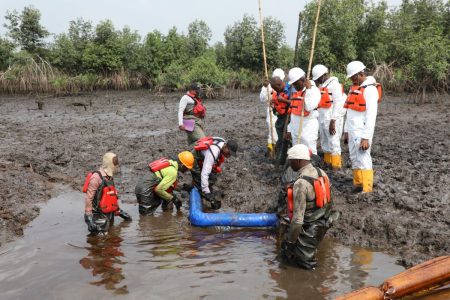
The organisation raised the alarm over what it described as worsening environmental conditions in communities affected by oil exploration activities, including areas within the Stubbs Creek Forest Reserve, which spans Eket, Esit Eket and Ibeno local government areas of Akwa Ibom State.
According to the group, residents have repeatedly expressed concerns over the destruction of forest ecosystems, pollution of water bodies and the decline of fishing and farming activities that sustain thousands of households in the coastal communities.
In a formal request dated June 1, 2026, and addressed to the Akwa Ibom State Commissioner for Environment and Mineral Resources, Nsikak Ekong, the organisation sought a certified copy of Tulcan Energy Resources Limited’s Environmental Impact Assessment report under the provisions of the Freedom of Information Act.
The request, signed by NAPPDRR Executive Director, Emem Edoho, argued that access to the document is essential to independently assess the environmental implications of ongoing oil operations and determine whether adequate mitigation measures are being implemented.
The group cited relevant sections of the Freedom of Information Act 2011, the Environmental Impact Assessment Act and the Petroleum Industry Act 2021, all of which emphasise environmental transparency, public participation and accountability in extractive industry operations.
According to NAPPDRR, obtaining the report will enable stakeholders to evaluate compliance with environmental standards, review health and safety measures and assess the cumulative impact of oil and gas activities on host communities.
The organisation warned that continued oil exploration without adequate public scrutiny could further threaten water sources, biodiversity, air quality and the livelihoods of residents who depend heavily on natural resources for survival.
Beyond environmental concerns, NAPPDRR expressed worries about the long-term health implications of pollution and gas flaring in the region. The group alleged that residents have reported increasing cases of respiratory illnesses and other health conditions linked to environmental contamination from extractive activities.
The organisation also called for stronger inclusion of affected communities, particularly Esit Eket Local Government Area, in the Host Community Development Trust framework established under the Petroleum Industry Act. It argued that communities bearing the environmental burden of oil production should receive fair and equitable benefits from resource extraction.
NAPPDRR stated that it was prepared to pay any administrative fees required for processing the request and urged the state government to comply with the seven-day response period stipulated under the Freedom of Information Act.
The group further noted that where exemptions apply, relevant sections of the report should still be released alongside legal explanations for any withheld information.
The latest demand underscores growing calls for greater transparency in Nigeria’s oil and gas sector, particularly in the Niger Delta, where decades of exploration have generated both economic benefits and persistent environmental challenges.
NAPPDRR reiterated its commitment to environmental justice, community participation and corporate accountability, urging regulators and government agencies to ensure that oil companies operating in the region strictly comply with environmental laws and global best practices.