Precious Anga
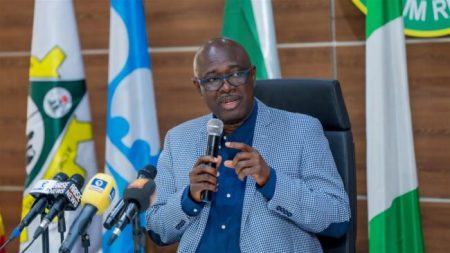
Lagos — Environmental advocate and former Bayelsa State Commissioner for Environment, Dr Iniruo Wills, has urged Niger Delta people to make environmental cleanup a key condition for their votes in the 2027 general elections.
Wills made the call at a Regional Dialogue on Niger Delta Environmental Cleanup organised by Miideekor Environmental Development Initiative in Port Harcourt, Rivers State, where he launched a “Civil Society Campaign Challenge for 2027” with the slogan, “No Cleanup, No Vote.”
He urged traditional rulers, civil society organisations and community leaders to mobilise voters across the region to support only candidates with credible commitments to cleaning up polluted communities.
“Niger Deltans should be vigorously sensitised and mobilised to vote only for candidates who have caused a cleanup or have a Niger Delta-wide stakeholder-agreed programme and personally-signed commitment to cleanup the ecologically-bombed Niger Delta region,” Wills said.
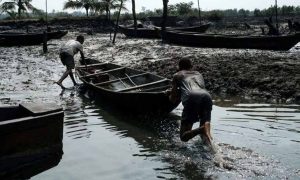
He described decades of oil pollution, gas flaring and ecological degradation across the Niger Delta as “ecocide”, arguing that the scale and duration of environmental damage demanded stronger political accountability from successive administrations.
Wills said Nigeria and successive presidents since 1999 should be ashamed of the country’s environmental record, while citing the Bayelsa State Oil and Environmental Commission report, which characterised the region’s condition as “environmental genocide”.
He further alleged that some industry and government officials responsible for, or who allowed, the environmental degradation could eventually face prosecution as international efforts to recognise ecocide as an international crime develop.
Meanwhile, the Team Lead of MEDI, Comrade Celestine Akpobari, warned against restricting environmental remediation to Ogoniland, insisting that pollution extends across the nine oil-producing states of the Niger Delta.
“If we leave this hall today believing that a clean Ogoniland means a clean Niger Delta, we will have failed everyone who could not be in this room,” Akpobari said.
He pointed to oil spills, gas flaring and mangrove destruction in Bayelsa; pipeline spills and artisanal refining in Rivers; and persistent pollution, erosion and gas flaring in Delta, Ondo, Akwa Ibom, Imo, Abia, Edo and Cross River states.
Akpobari also questioned the pace of the Ogoni cleanup, noting that 15 years after the United Nations Environment Programme report on Ogoniland, significant environmental restoration remains outstanding.
He accused the Federal Government of failing to adequately fund the Environmental Restoration Fund established to support the cleanup being implemented by the Hydrocarbon Pollution Remediation Project, while also criticising Shell’s divestment from onshore assets in the region.
Akpobari said the region needed a cleanup programme that is “transparent, scientifically credible, properly funded, community-centred and accountable.”