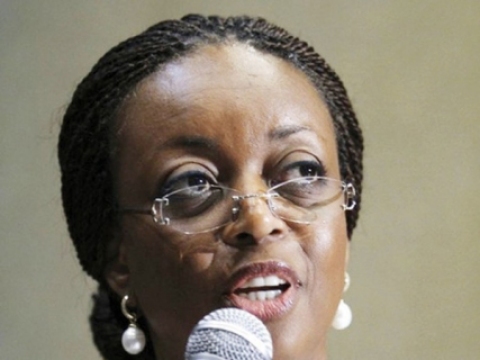
 03 October 201, Sweetcrude, ABUJA – NIGERIA’S Petroleum Minister, Mrs Diezani Alison-Madueke, has defended the increased level of taxation on oil fields in deep offshore waters that could be imposed if the proposed Petroleum Industry Bill, PIB, is passed by the national assembly.
Alison-Madueke disclosed that the total “government take” – its total share of oil revenues in royalties and taxes – in the proposed bill from the deep offshore oilfields that are mainly operated by the world’s oil majors would reach 73%, a substantial increase over the 61% it receives in current production sharing contracts, PSCs.
The PIB would provide a new legal and regulatory framework for the industry as a whole. However, one of its main objectives is also to increase federal revenue, particularly from the profitable oil fields in deep offshore waters.
The bill would provide the possibility to establish the basis for the calculation of both royalties and income taxes. The royalty system would have two sliding scales – one relating to the daily production of the oil or gas field, and the other, price sensitive, being related to the oil or gas price.
Alison-Madueke said that review of the terms of the existing 1993 PSCs was necessary because they were concluded when the market oil price was USD20 per barrel, much lower than now.
Alison-Madueke claims that the overall tax take from Nigeria’s oil sector under the reforms will be similar to other oil-producing nations like Norway and she called on investors to embrace the incentives that would be provided by the PIB, particularly in developing inland oil and gas resources.
However, the oil majors are continuing their opposition to the proposed review. They warn that the increased projected revenue take, almost wholly from their fields, goes a long way to confirming their previous warnings of the high cost to them of the prospective reforms and the probable effect in significant reductions in their future investment.
The PIB has already been delayed for five years, but a final draft is currently before both Nigerian houses of parliament.