Ike Amos
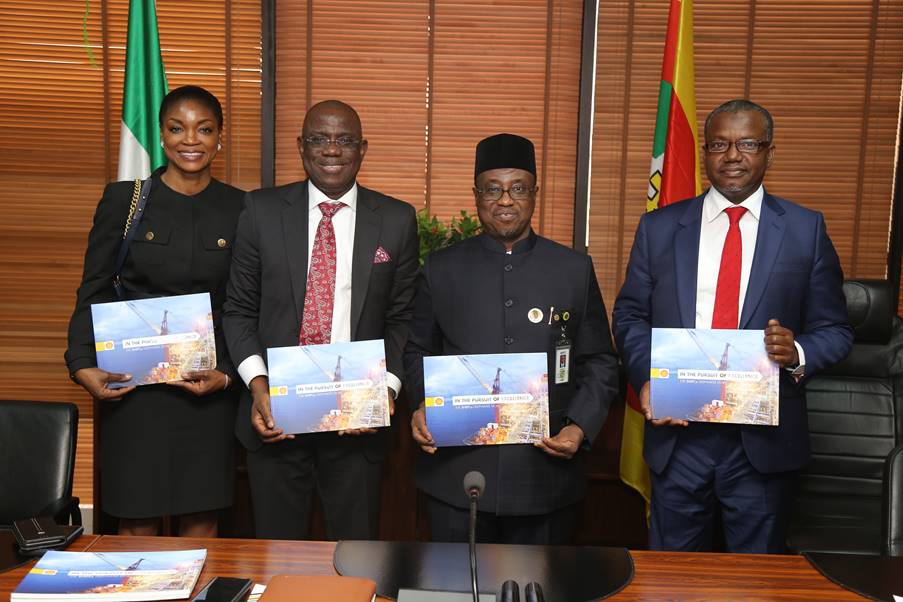
Abuja — Managing Director of Shell Nigeria Exploration and Production Company, SNEPCO, Mr. Bayo Ojulari, has bemoaned the widening energy gap in Nigeria, while he disclosed that Nigeria needs between $40 billion to $200 billion worth of investments to bridge the gap.
In a presentation titled, ‘Nigeria’s Energy Security: Opportunities, Present Threats and Key Solution Pointers,’ deliver at an energy forum in Abuja, Ojulari disclosed that 70 percent of households and small and medium scale enterprises, SME, have less than four hours of electricity per day.
He noted that this translated to 120 million people who are affected by this low power supply, noting that only India has a larger off-grid/bad grid population.
Shell Nigeria’s boss explained that Nigeria needs between 30 gigawatts, GW and 175GW to address its energy gap, adding that this would cost the country approximately $40 billion to $200 billion.
He disclosed that as a result of the poor power supply, Nigerians are using about 60 million environmentally unfriendly diesel and petrol generators to fill the gap left by the electricity companies.
Ojulari explained that this portends negative consequences for Nigeria’s productivity, competitiveness, employment, security, food security, nutrition, environment, health, and education.
He maintained that 70 percent of Nigeria’s installed power generation capacity is currently lost by the time it reaches the consumer, noting that this was the reason why 70 percent of households and SMEs enjoy only four hours of electricity daily.
According to him, installed capacity losses are primarily driven by aging equipment, poor maintenance systems and culture, insufficient funding and spinning reserve.
He said, “The gap in terms of energy supply is disgraceful. The energy gap in Nigeria is the foundation for so many of the country’s economic and social development problems. In most countries, when you talk about energy security they are talking about the health of their people, education of their people, for their children and for their future.
“They are talking about being a competitive country where people can invest. They are talking about the environment, productivity, and food security among others. Energy is not standing alone. Our industry is not about producing and exporting oil, it is about how we impact our societies.”
He further stated that available capacity losses were mainly due to the insufficient gas supply, inadequate infrastructure, vandalism, and line constraints due to inadequate transmission infrastructure.
“Losses are primarily driven by aging equipment, inadequate and aged transmission networks, insufficient funding and transmission losses,” he insisted.
He, however, noted that the gap presents a massive opportunity for large scale on the grid and small scale off-grid investments.
He said, “Investment opportunities even in high density, low-income urban areas make economics more attractive. Technologies and business models exist for a cleaner, affordable and scalable solutions. Alternative energy solutions can have short term financial and social impact for investors on livelihoods and economic activity.”