
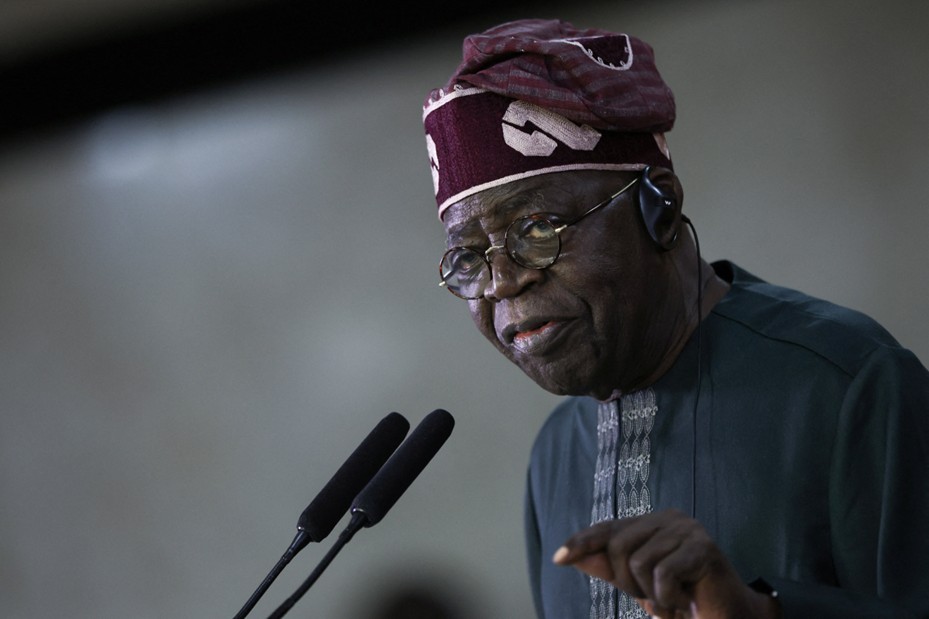
Abuja — Nigeria is looking at a significant budget overhaul, potentially a “$39 billion reset,” to tackle overlapping budgets (running 2024 & 2025 budgets together) and inefficiencies by rolling over capital spending, optimizing revenue agencies (FIRS, NNPC), and reforming tax administration, aiming to cut waste and boost fiscal health amid high deficits and economic challenges.
Key Issues & Proposed Solutions:
Budget Overlap & Roll-overs: The government is running the extended 2024 budget alongside the 2025 budget, leading to inefficiencies; they plan to roll over 70% of 2025 capital funds into 2026 to consolidate.
Revenue Agency Reform: President Tinubu directed a review of deductions and revenue retention by agencies like FIRS, NNPC, NIMASA, and Customs to free up resources.
Tax Shake-up: New bills (Nigeria Tax Bill, Nigeria Tax Administration Bill) aim to simplify taxes, harmonize processes across federal/state levels, and re-establish FIRS as the federal revenue agency (NRS).
Borrowing & Deficits: Despite efforts, Nigeria faces large budget deficits, with plans to borrow significantly for the 2026 budget to bridge gaps.
Why the Reset?
Fiscal Crisis: The country faces worsening budget deficits, high inflation, and declining FDI, necessitating fiscal consolidation.
Efficiency Drive: The goal is to stop wasteful spending (like costly media chats by officials) and improve resource allocation to address poverty and infrastructure.
In essence, Nigeria seeks to clean up its fiscal house by unifying budget cycles, strengthening revenue collection, simplifying taxes, and cutting inefficiencies, but this comes amid ongoing borrowing for large deficits.
