Close Menu
    Facebook X (Twitter) Instagram
    Facebook X (Twitter) Instagram
    SweetCrudeReportsSweetCrudeReports
    Subscribe
    • Home
    • Oil
    • Gas
    • Power
    • Solid Minerals
    • Labour
    • Financing
    • Freight
    • Environment
    • Community Development
    • Renewable Energy
    • E-Editions
    SweetCrudeReportsSweetCrudeReports
    Home » Nigeria suspends FOB levy on imports after industry backlash

    Nigeria suspends FOB levy on imports after industry backlash

    September 16, 2025
    Share
    Facebook Twitter LinkedIn WhatsApp
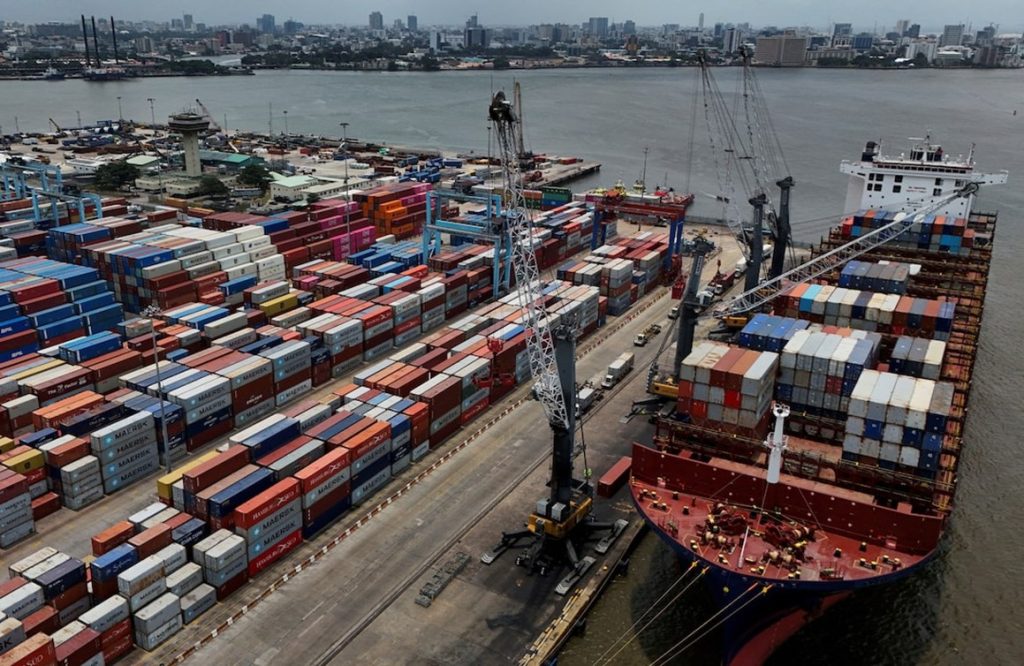
    *A drone view shows a container ship preparing to offload cargo at the A.P. Moller Terminals, part of Nigeria’s largest container terminal within the Nigerian Ports Authority dockyard in Apapa, in Lagos, Nigeria. August 25, 2025. REUTERS/Sodiq Adelakun/File Photo

    Lagos — Nigeria’s finance ministry has ordered the immediate suspension of a levy on all imported goods, which companies had said would raise the cost of doing business and crimp economic recovery efforts.

    Finance Minister Wale Edun said in a directive issued late on Monday that the 4% Free on Board (FOB) levy, introduced by the Nigeria Customs Service (NCS) last month, should be suspended to address the concerns raised by businesses.

    “Following extensive consultations with industry stakeholders, trade experts, and relevant government officials, it has become clear that the implementation of the 4% FOB charge poses significant challenges to Nigerian trade facilitation, the business environment, and economic stability,” Edun said in a statement.

    Importers and business groups had warned that the levy would increase the cost of goods, fuel inflation, and hurt Nigeria’s trade competitiveness at a time when the country was trying to end currency volatility and sluggish growth.

    The suspension will allow for a comprehensive review of the levy’s framework and its broader economic implications, the ministry said, adding that it would work with the customs service and other stakeholders to develop a more “equitable and efficient revenue structure”.

    Nigeria, Africa’s largest economy, has been seeking to boost non-oil revenues amid declining crude output and mounting fiscal pressures. But businesses have pushed back against what they see as arbitrary levies that complicate trade and raise costs.

    *Ben Ezeamalu, editing: Gareth Jones – Reuters

    Related News

    World Bank lists Tincan, Apapa ports on global top 20 improved ports

    Resurgent piracy and grey-zone pressure reshape maritime risk

    Stakeholders urge Rivers govt to harness blue economy, audit environment

    Comments are closed.

    E-book
    Resilience Exhibition

    Latest News

    Nigeria’s gas output climbs to 7.93bcf/d as domestic demand strengthens — NUPRC

    June 16, 2026

    World Bank lists Tincan, Apapa ports on global top 20 improved ports

    June 16, 2026

    NUPRC attributes rise in Nigeria’s oil production to ‘sustained positive momentum’

    June 16, 2026

    Resurgent piracy and grey-zone pressure reshape maritime risk

    June 16, 2026

    Oil drops about 4% to three-month low as markets weigh US-Iran deal

    June 16, 2026
    Demo
    Facebook X (Twitter) Instagram
    • Opec Daily Basket
    • Oil
    • Power
    • Gas
    • Freight
    • Financing
    • Labour
    • Technology
    • Solid Mineral
    • Conferences/Seminars
    • Community Development
    • Nigerian Content Initiative
    • Niger-Delta Question
    • Insurance
    • Other News
    • Focus
    • Feedback
    • Hanging Out With Markson

    Subscribe for Updates

    Get the latest energy news from Sweetcrudereports.

    Please wait...
    Please enter all required fields Click to hide
    Correct invalid entries Click to hide
    © 2026 Sweetcrudereports.
    • About Us
    • Advertise with us
    • Privacy Policy

    Type above and press Enter to search. Press Esc to cancel.