Mkpoikana Udoma
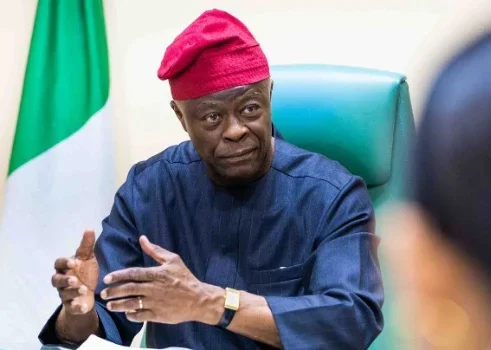
Port Harcourt — Nigeria’s Minister of Finance and Coordinating Minister of the Economy, Mr. Wale Edun, says the country is targeting gross domestic product, GDP, growth of up to 7 percent in the medium term, more than double its current population growth, as it seeks to raise living standards through bold reforms and private sector-led development.
Speaking after receiving the World Bank Executive Director for Angola, Nigeria and South Africa Constituency, Mrs. Zainab Shamsuna Ahmed, Edun said ongoing reforms were already restoring investor confidence and attracting new capital inflows.
“We are targeting GDP growth of up to 7% in the medium term, more than double population growth and significantly raise living standards. Our focus is on structural reforms in agriculture, power, and digital infrastructure to build a stronger, more competitive economy.”
The Minister highlighted policy shifts such as the removal of petrol subsidies, strengthened tax collection, and digitisation of government processes as measures that have begun to yield results, particularly in stimulating private investments in manufacturing.
Edun stressed that collaboration with multilateral partners such as the World Bank would remain central to Nigeria’s recovery and growth strategy.
“Nigeria’s reform momentum, combined with strategic multilateral support, will lay the foundation for sustainable growth and private sector-led development,” he said.
He added that Nigeria remains committed to directing multilateral funding into “impactful projects that expand infrastructure, create jobs, and unlock private sector investment,” with emphasis on long-term competitiveness and sustainable growth.
Mrs. Ahmed, who represents Angola, Nigeria and South Africa at the World Bank, reaffirmed the Bank’s support for Nigeria’s development priorities.
She commended the country’s leadership role at continental forums, including the recent Africa Caucus, and assured that the Bank would continue aligning its programmes with Nigeria’s reform agenda.
According to her, Nigeria’s drive for inclusive growth and economic resilience positions it as a leading voice in shaping Africa’s financial and development discourse.