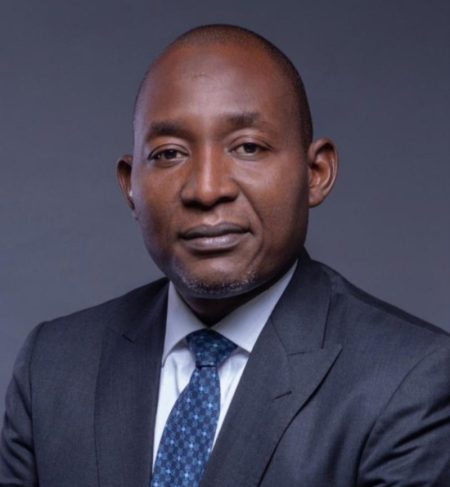
Mkpoikana Udoma
Port Harcourt — Nigeria’s Special Adviser to the President on Energy, Mrs. Olubukola Arowolo Verheijen, says the Federal Government’s ongoing fiscal and energy sector reforms are already unlocking billions of dollars in new investments across the gas value chain, setting the stage for industrial revival and energy independence.
Speaking at the Southwest Summit in Akure, Ondo State, Verheijen said over $8 billion in new upstream gas investments have already been secured, with an additional $20 billion projected by 2029, as part of the administration’s drive to expand pipelines, strengthen domestic gas supply, and power local industries.
“Our economy cannot grow well without energy. The government is expanding pipelines such as the Escravos–Lagos System, delivering gas to industries in Sagamu, Ibadan, and Ilorin, with Ondo State directly benefiting as the network spreads across the Southwest.”
She explained that gas infrastructure development would serve as “fertilizer” for Nigeria’s industrial growth, providing feedstock for fertilizer, methanol, and petrochemical plants that will stimulate agriculture and manufacturing across the region.
“These are the nutrients that make our farmlands more productive, our factories busier, and our exports more competitive. From gas to fertilizer, and from farm to factory, we are turning energy beneath our soil into food on our tables and jobs in our communities.”
Verheijen noted that the Federal Government’s reforms have cleared the ground for sustainable growth by ending fuel and foreign exchange subsidies that drained public finances.
“The fuel and forex subsidies were like weeds that drained our soil, consuming trillions that could have built schools, roads, and clinics,” she said. “By removing them, President Tinubu cleared the field so that new crops can grow.”
Highlighting the Presidential Metering Initiative, Verheijen said millions of meters are being deployed across the country to eliminate estimated billing, promote fairness, and improve liquidity in the electricity market.
“Electricity is the water that nourishes our economy,” she said. “With targeted electricity subsidies, the poorest households will continue to access affordable power, while wealthier consumers pay their fair share. This balance is key to sustaining investor confidence and protecting vulnerable Nigerians.”
On the downstream front, the presidential aide said Nigeria is now “growing what it consumes,” with private refineries such as the Dangote Refinery expected to make the country self-sufficient in petroleum products.
“For too long, Nigeria exported crude oil only to import refined petrol at higher cost. Those days are ending,” Verheijen declared. “Through deregulation and private-sector-led investments, Nigeria is achieving energy independence. The fuel powering our cars and tractors will now be refined at home, creating and keeping jobs here.”
She added that this transformation would ease foreign exchange pressure, stabilize fuel prices, and strengthen the naira through new export revenues. “We are moving from being an import-dependent nation to a regional energy supplier,” she said.
Acknowledging the temporary pains that accompany reforms, Verheijen likened Nigeria’s transition to the patience of a farmer awaiting harvest. “Every farmer knows that harvest does not come the same day you plant,” she said.
“We have planted reforms that are already sprouting, in energy, in jobs, in stability. The rains are gathering, and the harvest will be rich across every village and town in Nigeria.”
Verheijen reaffirmed that under President Bola Ahmed Tinubu, the government’s energy reforms are laying a sustainable foundation for inclusive growth. “Our planting season is ending. The harvest is near, and this time, everyone will eat from the bounty, she said.”