Mkpoikana Udoma
Port Harcourt — Nigeria’s public debt has surged to an estimated N187 trillion following the Senate’s approval of fresh external and domestic loans totaling over N37.2 trillion, sparking renewed concern over the country’s debt sustainability and economic future.
On July 22, 2025, the Senate approved additional borrowings of $21 billion, €2.2 billion, ¥15 billion, a domestic bond of N750.98 billion, and a €65 million grant for the 2025-2026 fiscal cycle. This comes on the heels of Nigeria’s existing total public debt of N149.39 trillion as of Q1 2025.
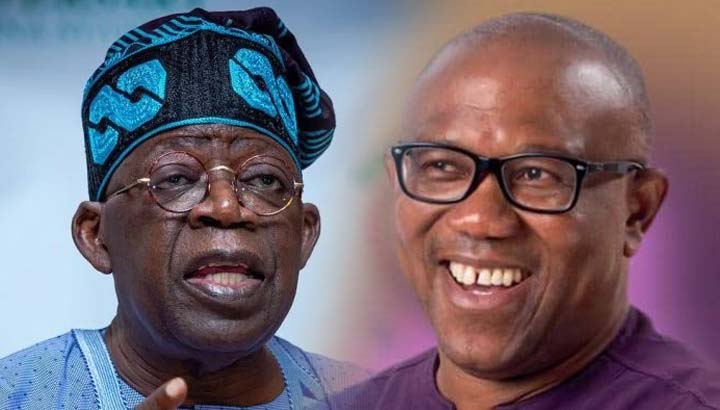
Former presidential candidate of the Labour Party, Mr. Peter Obi, has condemned the move, describing it as “fiscal indiscipline” and warning that Nigeria is “mortgaging the future of our children.”
“With these approvals, our total debt now stands at approximately N187 trillion. At this pace, we might exceed N200 trillion by the end of 2025. This is the highest debt-to-GDP ratio in our history,” Obi said in a strongly worded post on X.
Prior to the recent GDP rebasing, Nigeria’s debt represented nearly 70% of its estimated N269.2 trillion GDP. Even with the rebased GDP of N372.8 trillion ($243.7 billion), the debt still accounts for over 50.1%, raising red flags across financial quarters.
Obi criticised the President Bola Tinubu government’s lack of transparency and impact in utilising borrowed funds.
He said “Borrowing is not inherently bad if it’s tied to productive investments. Unfortunately, what we see today is reckless borrowing without accountability, without transformational impact.”
He pointed to worsening indicators in education, healthcare, electricity, and poverty.
“Education is underfunded, healthcare remains inaccessible, and over 10,217 Nigerians have been killed between May 2023 and May 2025 despite a rise in security spending from N2.98 trillion to N4.91 trillion.”
The former governor also highlighted Nigeria’s infrastructure decay. “Of our 195,000km of roads, 135,000km remain unpaved. We are still generating less than 5,000MW of electricity for over 200 million people.”
He expressed dismay that despite enormous borrowings, 133 million Nigerians remain multi-dimensionally poor, while 652 children have reportedly died from worsening malnutrition in northern Nigeria.
“This country is blessed with resources. Nobody should go to bed hungry. Yet, leadership failure has deepened poverty. This government is feeding Nigerians with wrong statistics, from unemployment to inflation to GDP figures,” Obi said.
He recalled a 2022 campaign speech by President Tinubu who mocked statistical analysis, insisting then that Nigerians needed food, not figures. “Now, two years into his presidency, Nigeria is ranked among the hungriest nations in the world.”
Obi concluded with a call to action: “We must return to disciplined economic management. Cut the cost of governance. Invest in people. Stop mortgaging our children’s future. A New Nigeria is Possible.”