Close Menu
    Facebook X (Twitter) Instagram
    Facebook X (Twitter) Instagram
    SweetCrudeReportsSweetCrudeReports
    Subscribe
    • Home
    • Oil
    • Gas
    • Power
    • Solid Minerals
    • Labour
    • Financing
    • Freight
    • Environment
    • Community Development
    • Renewable Energy
    • E-Editions
    SweetCrudeReportsSweetCrudeReports
    Home » Nigeria’s external sector performance: Q1 2025 balance of payments update

    Nigeria’s external sector performance: Q1 2025 balance of payments update

    August 3, 2025
    Share
    Facebook Twitter LinkedIn WhatsApp
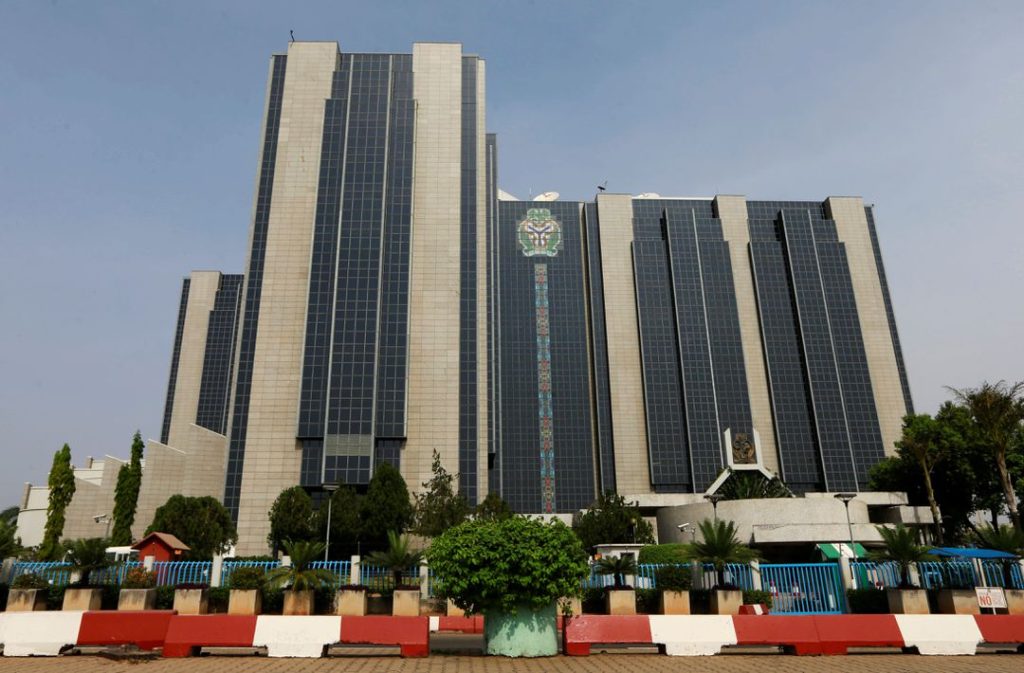
    *A view shows Nigeria’s Central Bank headquarters in Abuja, Nigeria. REUTERS/Afolabi Sotunde

    Lagos — The Central Bank of Nigeria’s provisional Balance of Payments (BOP) data for Q1 2025 revealed a current account surplus of US$3.73 billion, slightly down from US$3.80 billion in Q4 2024, but up from US$3.69 billion in Q1 2024.

    The surplus was driven by a stronger goods account balance of US$4.16 billion, buoyed by a 9.79% increase in exports to US$13.91 billion, and a decline in imports to US$9.75 billion, particularly non-oil imports.

    However, the services account and the primary income account posted higher deficits of US$3.69 billion and US$2.02 billion, respectively, while the secondary income account remained positive at US$5.29 billion, although this was lower than the previous quarter.

    On the financial account, a net balance of US$7.58 billion was recorded, reflecting a significant reversal of US$5.03 billion in portfolio investment inflows. Despite a resilient current account, the overall BOP recorded a deficit of US$2.77 billion due to sustained capital outflows and debt repayments.

    External reserves declined to US$37.82 billion at the end of March 2025. The data present a strong need for policies that enhance capital retention and attract stable, long-term investment.
    Considering sustained external pressures, strengthening Nigeria’s macroeconomic fundamentals, particularly through export diversification, investment climate reforms, and improved capital controls, will be crucial for ensuring external sector stability over the medium term. This can be achieved by implementing targeted policies that broaden Nigeria’s export base beyond oil, streamline regulatory and tax frameworks to attract productive investment, and reinforce oversight of foreign exchange and capital flows to safeguard the external reserves.


    Related News

    CBN launches NOFR to deepen markets, boost investor confidence

    Angola’s state oil firm secures $2.65bn financing from foreign lenders

    AFC backs $7bn Dangote Fertiliser expansion

    Comments are closed.

    E-book
    Resilience Exhibition

    Latest News

    Nigeria to power 35,000 health facilities with renewable energy

    June 18, 2026

    Navy uncovers hidden crude storage site, recovers 17,000 litres in Delta

    June 18, 2026

    ‘Steel, power sectors must align to drive industrial growth’

    June 18, 2026

    Nigeria’s domestic gas sales jump as production nears 8bcf/d

    June 18, 2026

    With MethaneLive, TotalEnergies uses data to support methane emissions reduction

    June 18, 2026
    Demo
    Facebook X (Twitter) Instagram
    • Opec Daily Basket
    • Oil
    • Power
    • Gas
    • Freight
    • Financing
    • Labour
    • Technology
    • Solid Mineral
    • Conferences/Seminars
    • Community Development
    • Nigerian Content Initiative
    • Niger-Delta Question
    • Insurance
    • Other News
    • Focus
    • Feedback
    • Hanging Out With Markson

    Subscribe for Updates

    Get the latest energy news from Sweetcrudereports.

    Please wait...
    Please enter all required fields Click to hide
    Correct invalid entries Click to hide
    © 2026 Sweetcrudereports.
    • About Us
    • Advertise with us
    • Privacy Policy

    Type above and press Enter to search. Press Esc to cancel.