Mkpoikana Udoma
Port Harcourt — Nigeria’s foreign exchange market has recorded a significant turnaround, with monthly turnover rising by 56.4 percent to $8.6 billion in 2025, signalling renewed investor confidence and stability in the nation’s economy, according to the Central Bank of Nigeria, CBN.
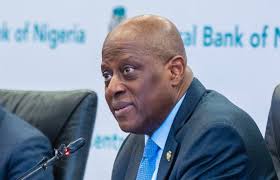
Speaking at the Nigeria Investors Forum held on the sidelines of the 2025 World Bank/IMF Annual Meetings in Washington D.C., CBN Governor Mr. Olayemi Cardoso, said the surge reflects ongoing reforms and strong coordination between fiscal and monetary authorities.
“We are seeing tangible results from the reforms. The alignment between the Central Bank and the Ministry of Finance has restored investor confidence and ensured clarity and stability in the foreign exchange market,” Cardoso stated.
He noted that Nigeria’s external reserves have risen to $43.4 billion, the highest in five years, adding that the CBN remains committed to deepening market liquidity and maintaining macroeconomic stability.
“Our focus is to create an FX framework that is transparent, efficient and driven by market fundamentals. We have strengthened the ecosystem and will continue to ensure that legitimate investors can operate with confidence,” the CBN Governor added.
Supporting the Governor’s remarks, CBN Deputy Governor, Mohammed Abdullahi, said Nigeria’s foreign exchange inflows have shown sustained improvement.
“Over the last two years, we’ve focused on improving FX flows into the economy, and we’ve seen a significant jump. Average net flows between January 2023 and July 2025 have doubled,” Abdullahi disclosed.
He attributed the performance to reforms in the oil and non-oil sectors, improved remittance inflows, and investor participation following the unification of exchange windows.
Also speaking at the event, Special Adviser to the President on Finance and the Economy, Mrs. Sanyade Okoli, outlined the government’s medium-term growth agenda.
“Our target is 7% growth by 2027–2028. The IMF recently raised its forecast for Nigeria, projecting 4% growth for 2025 and about 5% for 2026,” Okoli noted.
She added that 13% of sectors recorded above 7% growth in Q2 2025, with the country’s dependence on oil exports dropping to 57.5%, compared to previous years when oil dominated the economy.
“Oil now accounts for about 4% of GDP, down from 8% in 2021. This shows progress in diversification,” Okoli said.
On her part, Minister of State for Finance, Dr. Doris Uzoka-Anite, reaffirmed President Bola Ahmed Tinubu’s commitment to creating a sustainable and inclusive investment environment.
“We are committed to building an economy that rewards productivity, encourages innovation, and attracts sustainable investment. The reforms we are implementing are designed to unlock Nigeria’s full potential,” the Minister stated.
The forum, which brought together global investors, development partners, and key Nigerian policymakers, highlighted the government’s determination to strengthen investor relations, enhance transparency, and foster inclusive growth.