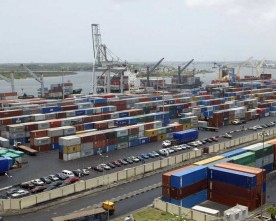
 08 April 2013, Lagos – Nigeria’s import bill experienced a 43 per cent drop to $35.4 billion in the last one year, according to Renaissance Capital, RenCap.
The investment and finance firm said in a report that the import bill is equivalent to 13 per cent of the Gross Domestic Product, GDP, last year.
The decrease in imports, according to the firm, was across all categories, noting that machinery and transport equipment, Nigeria’s biggest import segment, declined 63 per cent, following modest growth of two per cent in 2011.
RenCap stated that this showed a slowdown in fixed investment and growth.
Noting that Nigeria’s trade surplus surged 75 per cent to $105.9 billion, which is 39 per cent of GDP, based on data released by the National Bureau of Statistics, NBS, trade data, the firm posited that this largely explains the increase in the current account surplus to 7.5 per cent of GDP in September 2012, as against 3.6 per cent in 2011.
RenCap stated: “We expect revisions to the import numbers. We find it odd that while imports declined across all categories, unspecified imports swelled 600 times to $12 billion in 2012. Unspecified imports surged from less than one per cent of total imports in preceding years to 31 per cent in 2012.
“We are likely to see a significant revision of imports by categories as seen in the downward revision of the errors and omissions’ negative balance in the 2010 balance of payments. While the eventual revised total import bill will still show a decline, in our view, the extent of the year on year decreases are likely to narrow as a larger share of the unspecified items are identified post-revisions.
“A slowdown in oil earnings growth largely explains the decline in total exports earnings growth to 14 per cent in 2012 as against 44 per cent in 2011. We think the oil earnings’ growth slowdown to nine per cent in 2012 as against 48 per cent in 2011 was largely due to a flat Bonny Light crude oil price.”