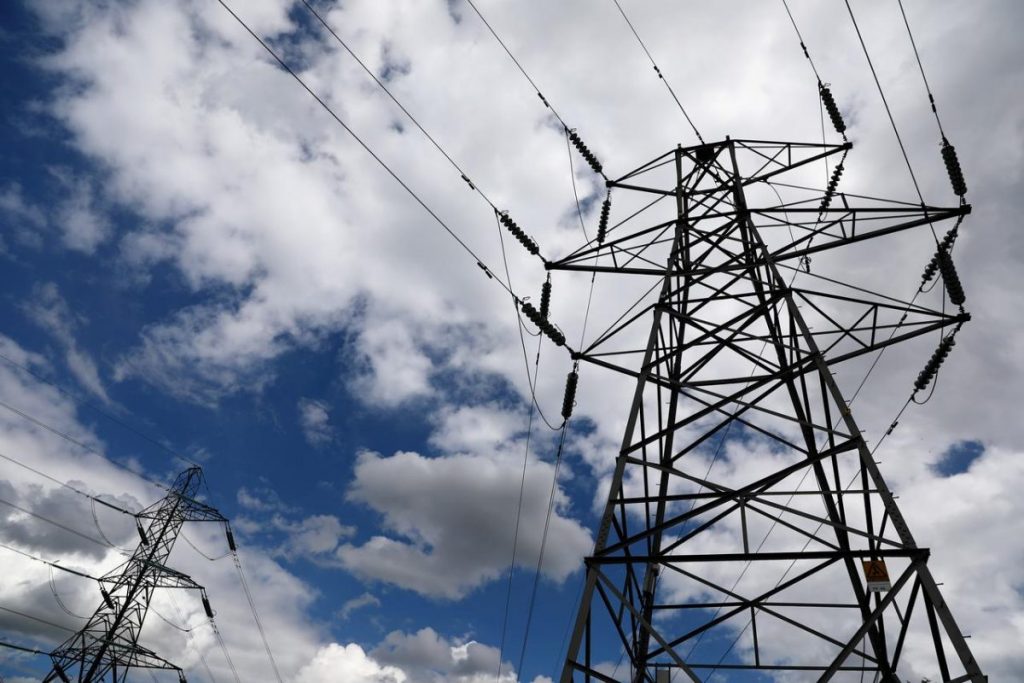
– Grid instability persists
Mkpoikana Udoma
Port Harcourt — Nigeria’s electricity generation plants showed signs of recovery in the first quarter of 2025, averaging 4,336.39MW, the highest quarterly generation recorded in over a year, according to the Nigerian Electricity Regulatory Commission, NERC.
Despite this progress, persistent grid instability continues to undercut performance gains and customer confidence.
The NERC Q1 2025 report reveals a total generation of 9,343.15GWh, a 6.58% increase from Q4 2024. This marks a modest but notable improvement amid longstanding generation bottlenecks.
However, frequent system disturbances remain a key concern.
Between January and March 2025, the national grid suffered six partial and two total collapses, plunging households and businesses into darkness and disrupting industrial activities.
These failures underscore the fragile nature of Nigeria’s transmission backbone, which has long been overdue for a comprehensive overhaul.
“The rebound in generation is commendable,” NERC stated, “but the fragility of the transmission grid continues to limit reliability and impact end-user satisfaction.”
Gas constraints, a major obstacle in previous quarters, appeared to ease marginally, contributing to the uptick in generation. Yet the risk of reversal looms large unless issues around gas pricing and payment arrears are addressed promptly.
Out of the 26 grid-connected power plants, only 17 were fully operational during the quarter, with others either constrained by gas shortages or suffering from equipment failures. The report indicates that three plants were dormant throughout the quarter.
The Transmission Company of Nigeria, TCN, has maintained that capacity exists to evacuate up to 5,000MW, but generation limitations and coordination issues between the DisCos and TCN remain a bottleneck.
Meanwhile, customers continue to bear the brunt of these inefficiencies, facing erratic power supply despite tariff hikes under the Service-Based Tariff framework. “We still rely on generators even after paying higher rates,” lamented a Port Harcourt-based small business owner.