Goli Innocent
Lagos — Across Nigeria’s major cities, a silent crisis is building. From Lagos to Kano, Port Harcourt to Abuja, temperatures are climbing steadily, and the impact is no longer just discomfort it is a growing public health emergency. What used to be seasonal heat has now stretched into longer, harsher periods, putting millions at risk, especially those without reliable electricity, clean water, or proper housing.
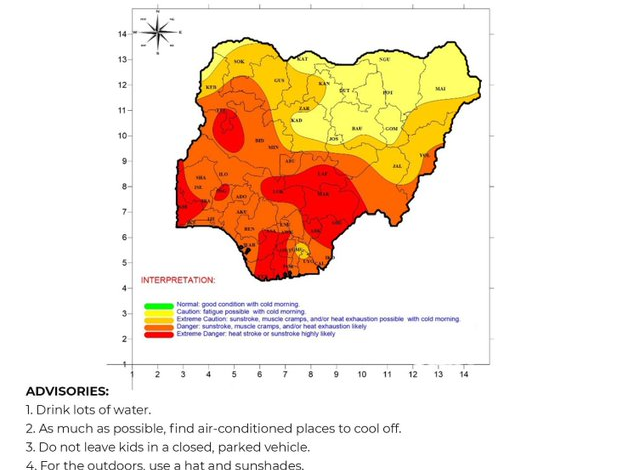
Recent climate data shows a clear trend. According to the Nigerian Meteorological Agency (NiMet), average temperatures across northern Nigeria have risen by about 1.5°C over the past few decades, with heatwaves becoming more frequent and intense. In cities like Kano and Abuja, daytime temperatures now regularly exceed 40°C during peak periods. In coastal cities such as Lagos and Port Harcourt, high humidity makes conditions even more dangerous, trapping heat and increasing the risk of heat stress.
The reasons behind this surge are not far-fetched. Climate change remains the biggest driver, as global greenhouse gas emissions continue to warm the planet. However, local factors are worsening the situation. Rapid urbanisation has replaced green areas with concrete, creating what experts call the “urban heat island” effect. In Lagos, for example, unchecked construction, traffic congestion, and generator fumes contribute to heat retention. Deforestation across northern regions has also removed natural cooling systems, leaving communities exposed to extreme temperatures.
The health implications are already visible. Hospitals are reporting increased cases of heat exhaustion, dehydration, and respiratory stress. Vulnerable groups, children, the elderly, pregnant women, and outdoor workers face the highest risk. In densely populated areas, poor ventilation and overcrowding make it harder to escape the heat. Medical experts warn that prolonged exposure can worsen existing conditions such as hypertension and asthma, while also increasing the risk of heatstroke, which can be fatal if not treated quickly.
Beyond physical health, the heat is also affecting mental well-being and productivity. Studies show that extreme temperatures reduce concentration levels and increase fatigue, particularly among workers in informal sectors who spend long hours outdoors. For students, learning conditions have become tougher, especially in schools without cooling systems. In economic terms, this translates into lower productivity and rising healthcare costs, a burden Nigeria can not afford.
Water scarcity is compounding the crisis. As temperatures rise, demand for water increases, yet supply remains unreliable in many urban areas. This forces households to ration water, increasing the risk of poor hygiene and disease outbreaks. In northern cities, the situation is even more severe, with some communities already facing drought-like conditions.
Addressing this crisis requires more than short-term fixes. Nigeria needs a coordinated response that combines environmental policy, urban planning, and public health intervention. First, cities must prioritise green infrastructure planting trees, restoring parks, and protecting wetlands. These natural systems help cool the environment and improve air quality. Lagos, Abuja, and Port Harcourt, in particular, need aggressive urban greening programmes to counter rising temperatures.
Second, building standards must change. New developments should incorporate heat-resistant designs, proper ventilation, and reflective roofing materials. Informal settlements, where many Nigerians live, also need targeted upgrades to improve airflow and reduce heat retention. This is not just about comfort; it is about survival.
Third, access to reliable electricity is critical. Without stable power, households cannot use fans, cooling systems, or store water effectively. Expanding renewable energy solutions, especially solar power, can provide relief while reducing dependence on heat-generating generators.
Public awareness is another key solution. Many Nigerians still underestimate the dangers of extreme heat. Simple measures staying hydrated, avoiding peak sun hours, and recognising early signs of heat-related illness can save lives. Government agencies and health organisations must intensify campaigns to educate the public.
Finally, Nigeria must strengthen its climate policies. Reducing emissions, enforcing environmental regulations, and investing in climate adaptation strategies are no longer optional. The heat crisis is not a future threat; it is already here, unfolding in real time.
If left unchecked, rising temperatures will deepen inequality, strain healthcare systems, and weaken economic productivity. But with decisive action, Nigeria can protect its cities and its people. The heat may be rising, but the response must rise faster.