Mkpoikana Udoma
Port Harcourt — Nigeria’s trillion-dollar economy ambition is no longer a distant dream, it’s becoming a visible path, powered by investor confidence and reform-driven fiscal stability, President Bola Ahmed Tinubu declared on Monday at the 31st Nigerian Economic Summit in Abuja.
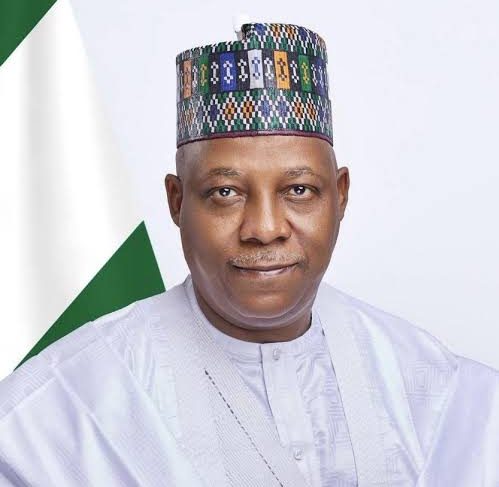
Addressing business leaders and policymakers, Tinubu, represented by Vice President Kashim Shettima, said Nigeria’s economy expanded to N372.8 trillion in 2024, up from N309.5 trillion in 2023, a strong indicator that “the ship of the Nigerian economy is steady and moving forward.”
“Our total revenue collection rose to N25.2 trillion in 2024, and as of August 2025, we have already reached N27.8 trillion,” Tinubu revealed.
“This performance inspired Fitch and Moody’s to upgrade Nigeria’s sovereign rating to stable outlooks. These recognitions are not mere symbols, they reflect renewed investor trust.”
The President also highlighted that foreign exchange stability and subsidy reforms had rescued public finances from the brink, while higher federal allocations to states were enabling subnational growth.
“I came to office fully aware that the secret to a successful federation lies in empowering each federating unit with the resources and autonomy to pursue development peculiar to its needs,” Tinubu said.
The government’s focus, he added, was not only on numbers but on “restoring hope to the unemployed, the poor, the excluded, and the vulnerable.”
“Every reform we have introduced is inspired by reflection, guided by courage, and sustained by the faith that Nigeria’s best days are still ahead,” he concluded.
Chairman of NESG, Olaniyi Yusuf, said the private sector remains optimistic about Nigeria’s policy direction.
“With these reforms, Nigeria is repositioning itself as Africa’s investment destination of choice. The government’s credibility is improving, and investors are paying attention.”
Vice Chairman of NESG, Boye Olusanya, however, cautioned against complacency. “These reforms are necessary but not sufficient,” he said. “Without addressing insecurity and infrastructure deficits, growth will be fragile.”
Still, the tone at the summit was one of cautious optimism, a sense that Nigeria, for once, might be turning the corner.