Mkpoikana Udoma
Port Harcourt — Nigeria’s upstream and downstream petroleum regulators have agreed to deepen collaboration in a move aimed at improving regulatory efficiency and accelerating investments across the oil and gas value chain.
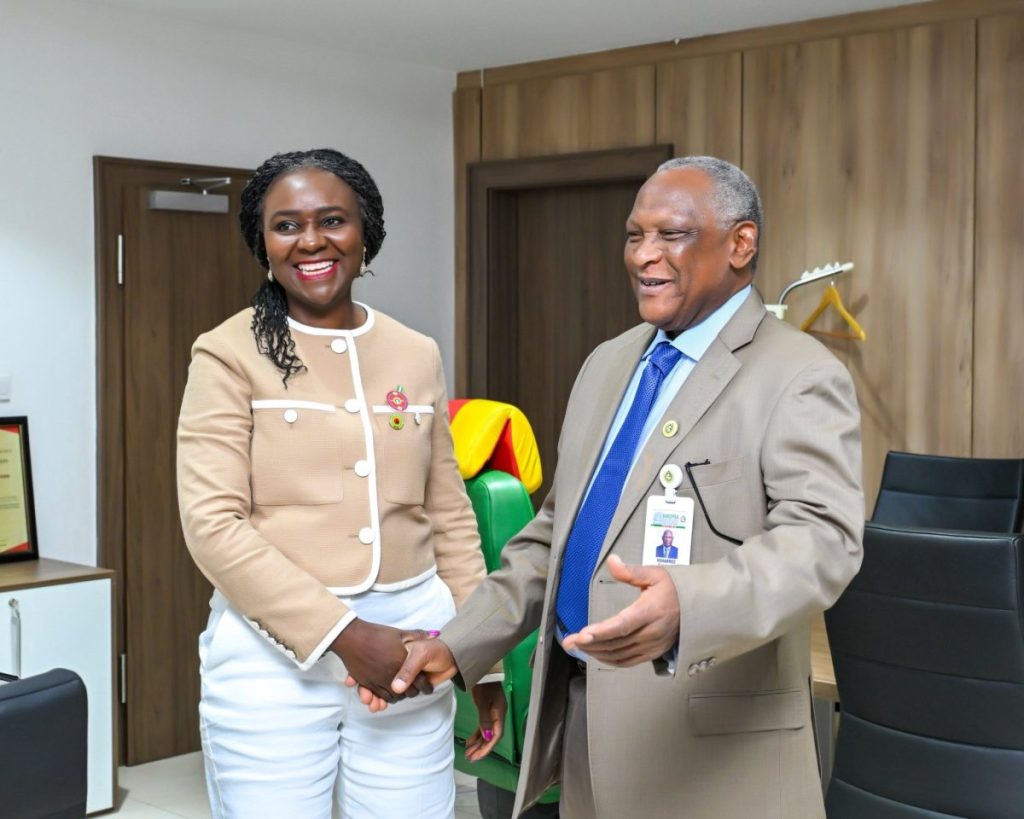
The Nigerian Upstream Petroleum Regulatory Commission, NUPRC, and the Nigerian Midstream and Downstream Petroleum Regulatory Authority, NMDPRA, reached the agreement during a high-level meeting at the NUPRC corporate headquarters in Abuja.
At the meeting, the Chief Executive of NUPRC, Mrs. Oritsemeyiwa Eyesan, and the Chief Executive of NMDPRA, Engr. Saidu Aliyu Mohammed, resolved to work more closely to eliminate regulatory bottlenecks and ensure smoother implementation of the Petroleum Industry Act, PIA.
The two regulators agreed to nominate designated representatives from both institutions to jointly address and resolve regulatory overlaps and operational challenges affecting industry players.
According to the regulators, the renewed partnership is targeted at creating a more predictable and investor-friendly operating environment.
“Effective regulation requires coordination, clarity and consistency,” one of the regulators noted, stressing that closer engagement would help deliver “faster, more transparent and more efficient regulatory outcomes.”
As part of the new framework, NUPRC and NMDPRA also resolved to institutionalized quarterly coordination meetings, a move designed to strengthen inter-agency cooperation and provide a standing platform for resolving emerging regulatory issues.
Industry stakeholders have long identified overlaps between upstream, midstream and downstream regulations as a source of delays and uncertainty. The decision by both regulators to harmonise processes is expected to support project execution timelines and boost investor confidence, particularly as Nigeria intensifies efforts to attract capital into oil, gas and energy infrastructure.
For SweetCrude Reports, the collaboration signals a more coordinated regulatory posture that could unlock stalled investments and reinforce Nigeria’s competitiveness in the global energy market.