Mkpoikana Udoma
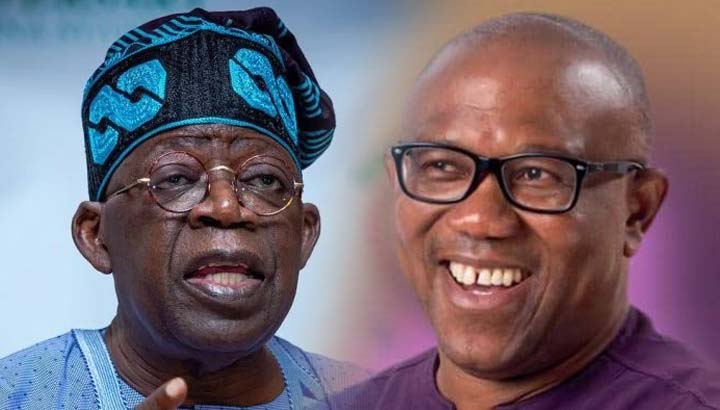
Port Harcourt — Former Labour Party presidential candidate, Mr. Peter Obi, has issued a blistering critique of President Bola Ahmed Tinubu’s leadership, warning that prolonged presidential absence amid deepening economic and social crises, is worsening Nigeria’s poverty emergency and undermining national confidence.
In a statement, Obi said Nigeria is approaching the end of the year with an estimated 140 million people living in extreme poverty, the highest figure globally, while hunger, insecurity and unemployment continue to escalate.
“This is not just a question; it’s a critical demand for accountability in a national emergency,” Obi said.
He painted a grim picture of Nigeria’s socio-economic indicators, describing the country as one of the hungriest globally, with rising insecurity, over 80 million unemployed youths, and infant mortality rates worse than those of countries far larger in population.
Obi expressed concern that, despite these challenges, President Tinubu reportedly spent 196 days abroad in 2025, exceeding the time spent governing within Nigeria.
“In the midst of this chaos, where has our President been?” Obi asked. “Spending 196 days abroad in 2025 alone, more than he has spent within his own country, at a time when we face profound crises.”
He further criticised the President’s silence since December 2025, noting that Nigerians entered the New Year without a national address or broadcast amid widespread economic anxiety.
“There was no New Year address, no national broadcast, no leadership voice to provide reassurance or guidance,” Obi said, adding that reports indicated the President travelled to Europe on holiday while Nigerians faced hunger and uncertainty.
Obi also faulted the Presidency’s handling of security-related developments, including foreign military actions on Nigerian soil, saying citizens learned of such events from foreign media and American officials, rather than directly from their own government.
“This is not governance; it’s neglect. Instead of addressing the nation directly, Nigerians were left with vague communications from aides known more for propaganda than clarity.”
He argued that leadership requires physical presence, transparency and direct engagement with citizens, warning that reliance on press statements and surrogates weakens national unity.
“Leadership is not simply issuing press releases; it’s about standing before the people, engaging with them, and offering clarity,” he said.
According to Obi, sustained national progress is impossible without unity and trust, which he said can only be driven by visible and accountable leadership.
“When leadership withdraws, unity falters, and the fabric of our society unravels under the weight of mistrust and division,” he warned.
Obi concluded that silence in times of crisis carries severe consequences for governance and economic recovery.
“In a time of crisis, the absence of leadership is not just troubling; it is perilous,” he said. “Silence in the face of crisis is the loudest form of failure.”