Precious Anga
Lagos — Uncertainty over the future of oil operations in Ogoniland, Rivers State, is deepening as fresh protests and disagreements over representation threaten to complicate the dialogue between the Federal Government and Ogoni stakeholders.
The latest development has raised questions over who currently speaks for the Ogoni people, the implementation of confidence-building measures and whether the ongoing dialogue can provide a clear pathway for resolving longstanding grievances ahead of any resumption of oil activities.
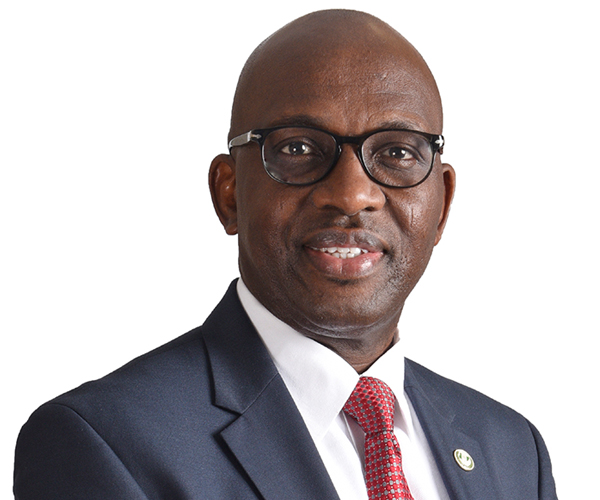
The controversy intensified after former President of the Movement for the Survival of the Ogoni People, MOSOP, Legborsi Saro Pyagbara, accused the Federal Government of failing to demonstrate sufficient commitment to the dialogue process.
Pyagbara said the government appeared to be prioritising oil resumption over the issues that triggered the Ogoni struggle, warning that the dialogue could lose credibility if outstanding concerns were not addressed.
He identified the Federal University of Environmental Technology, employment of Ogoni indigenes by the Nigerian National Petroleum Company Limited, NNPCL, rehabilitation of the East-West Road, renovation and construction of schools and health facilities, state creation and an industrial park among the confidence-building measures he said remained inadequately implemented.
On employment, Pyagbara questioned conflicting information surrounding the recruitment of Ogoni youths, saying NNPCL initially indicated that 40 Ogoni persons would be employed before information emerged that only 20 would be recruited directly by the company, with others to be distributed across petroleum-sector agencies. He subsequently challenged NNPCL to publish the names, communities and employment dates of those recruited through the process.
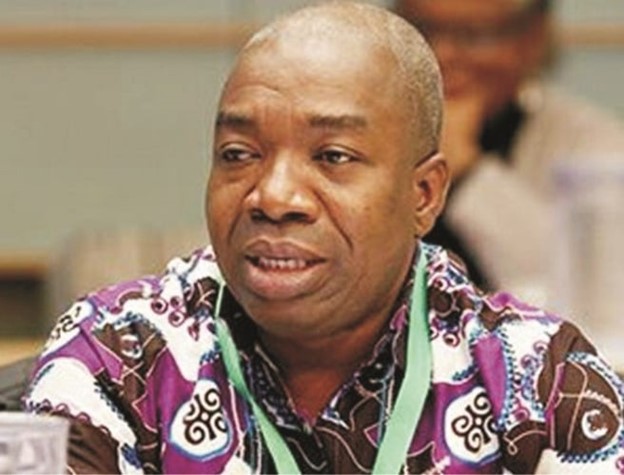
However, the Ogoni Dialogue Committee, ODC, led by emeritus professor Don Baridam, has disputed allegations that it controlled the recruitment process or shared employment opportunities. In a report presented to the National Security Adviser, Baridam said NNPCL handled the recruitment from its database of qualified Ogoni applicants who had previously undergone its recruitment processes.
The ODC also acknowledged progress in some areas, including the renovation of selected health facilities, employment of qualified Ogoni sons and daughters by NNPCL and the establishment of the Federal University of Environmental Technology. It, however, said inadequate Federal Government funding remained a major challenge for the university and called for renewed attention to the proposed Ogoni Industrial Park and the East-West Road.
A further complication has emerged around the leadership of the dialogue process. Reports that Baridam had been replaced by Senator Olaka Wogu prompted fresh uncertainty, although sources subsequently said Baridam remained chairman of the ODC while Wogu was heading a newly established harmonisation committee.
The conflicting reports have coincided with protests in Ogoni and criticism from KAGOTE, with questions emerging over the extent to which communities are being consulted on oil resumption, development projects, employment and other opportunities. The ODC has also asked the National Security Adviser to investigate reports of alleged oil-rig activity in Alesa-Eleme, saying clarification was necessary to prevent the issue from undermining the dialogue.
With the status of oil activities, community representation and implementation of agreed measures still generating competing claims, the Federal Government faces renewed pressure to provide clear information on the dialogue process and the conditions surrounding any return of oil operations in Ogoniland.