Mkpoikana Udoma
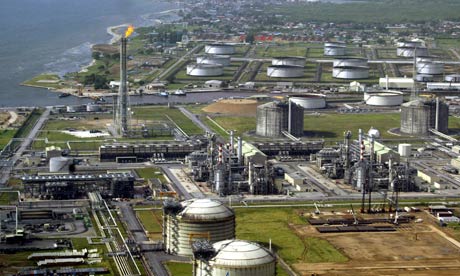
Port Harcourt — The African Indigenous Foundation for Energy and Sustainable Development, AIFES, has raised fresh alarm that Ogoni communities in Rivers State now stand on the frontline of a dual crisis, decades-long environmental degradation from oil operations and the accelerating impacts of climate change.
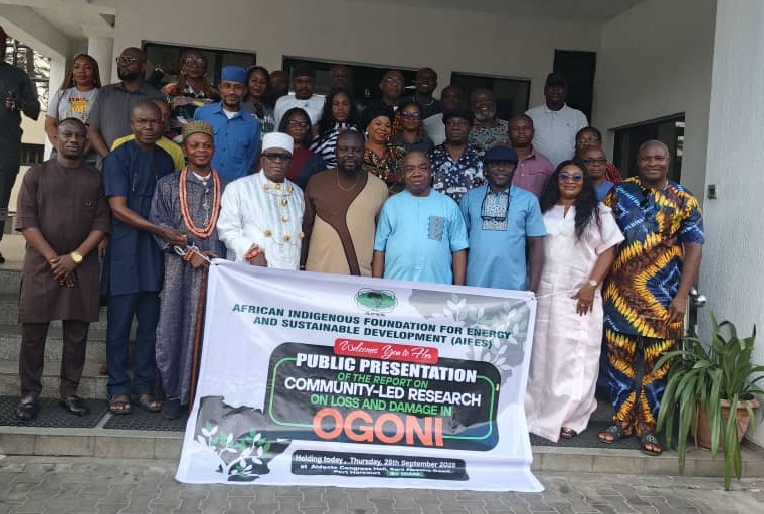
Speaking in Port Harcourt at the presentation of a community-led research report on Loss and Damage in Ogoniland, AIFES Executive Director, Legborsi Pyagbara, said the findings confirm that the region is bearing a disproportionate burden of ecological harm.
“For generations, the people of Ogoni lived in a friendly environment and relied on fishing and farming for their livelihood,” Pyagbara said. “But today, the situation has changed; our way of life is no longer how it used to be.”
He warned that Ogoni is now confronting “an unprecedented dual crisis,” historic pollution from oil exploitation and worsening climate impacts.
“We have seen rivers rise, we have seen heatwaves and rising temperatures around us,” he said. “More visible is the unpredictable rainfall, and when we cannot predict when rain falls, it affects our agriculture and that has long implications on food scarcity.”
Pyagbara stressed that these combined pressures have pushed many Ogoni communities into deeper vulnerability.
“These have made most of our communities vulnerable, and they are struggling to adapt to these changes,” he noted.
Deputy Speaker of the Rivers State House of Assembly, Hon. Dumle Maol, said the report reflects the lived reality of a people who have endured environmental trauma for decades.
“I seize this opportunity to salute the courage of the Ogoni people who, despite decades of environmental challenges, continue to stand firm in defence of our collective heritage,” Maol said.
According to him, climate change is already manifesting sharply across the region.
“It is common knowledge that the threat of climate change is no longer a debate. It is here with us, and Ogoni bears its scars,” he asserted.
Maol commended the researchers behind the Loss and Damage report for capturing the silent suffering of communities.
“I must confess that your work is the voice of the silent sufferings of our land, rivers and people,” he said. “More importantly, it is an inspiration to those of us in lawmaking, driving legislative intervention for the wellbeing of our people.”
The report is expected to support advocacy for stronger government action, improved compensation systems, and better climate-resilience strategies for frontline host communities in Ogoniland.