Oritsegbubemi Omatseyin
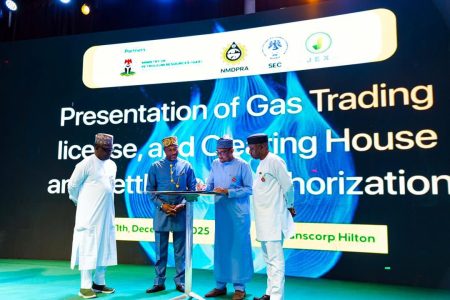
Lagos — In a strategic move to create an enabling environment for the automotive sector, the Director-General of the National Automotive Design and Development Council, NADDC, Otunba Oluwemimo Joseph Osanipin, participated in the Electrifying Mobility — Nigeria’s Electric Vehicle Fair organized by the Presidential Initiative on Compressed Natural Gas, Pi-CNG, at Eagle Square, Abuja.
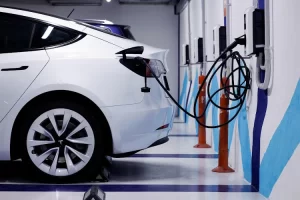
The event, which brought together key industry stakeholders and innovators from across the automotive and clean-energy value chains, showcased a broad array of electric vehicles, EVs, and next-generation mobility solutions. Exhibitors at the fair included leading brands such as NEV, IRS, KAI, KB Lamah and others who displayed electric cars, SUVs, buses, and EV technologies intended to accelerate the nation’s transition to cleaner transportation.
In his keynote remarks at the fair, the NADDC DG, highlighted the transformative potential of electric vehicles for Nigeria’s automotive industry, stressing the economic, environmental and technological advantages of EV adoption.
He emphasized that shifting from internal combustion engine, ICE, vehicles to battery-powered EVs presents opportunities for local value addition, given that battery-related components account for a significant percentage of an EV’s total cost.
He referenced global trends including China’s rapid rise in vehicle production after embracing EV technologies as a model for how strategic focus on electrification can drive industry growth. Osanipin also pointed out that EVs have lower fueling and maintenance costs compared to ICE vehicles, making them economically attractive for both individual and commercial users.
Barr. Ismaeel Ahmed, Executive Chairman/CEO of Pi-CNG, delivered remarks underscoring the Federal Government’s commitment to cleaner, cheaper and sustainable mobility solutions.
Under his leadership, Pi-CNG has expanded its mandate to include robust support for electric vehicle deployment alongside compressed natural gas, CNG, positioning Nigeria to benefit from cleaner fuels, reduced transport costs, and expanded private-sector investment in the green mobility sector. Recent data shows that more than 100,000 vehicles in Nigeria now use CNG, demonstrating the broader momentum behind clean transport alternatives.
The inclusion of EV showcases at the fair reflected this expanded focus, aligning with Nigeria’s broader goals of meeting global emission targets and building a more competitive automotive industry.
The fair facilitated strategic dialogue between policymakers, manufacturers and private-sector partners on strengthening EV infrastructure, scaling local assembly and component manufacturing and creating incentives for investment in sustainable mobility solutions.