Esther Oritse
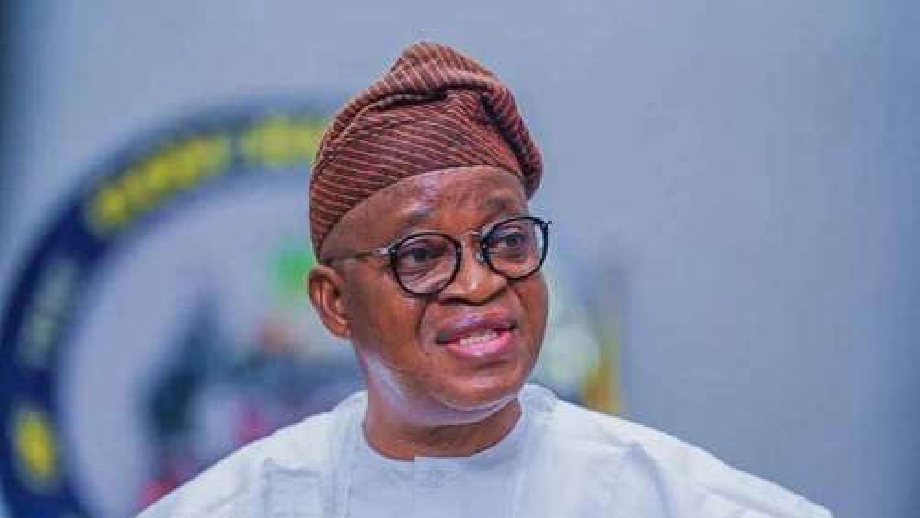
Lagos — The Minister of Marine and Blue Economy, Adegboyega Oyetola, has declared that finance remains the decisive factor in transforming Nigeria’s bold new vision for its marine and blue economy into tangible impact, stressing that without sustainable investment, the country risks leaving its vast marine resources underutilised.
Oyetola made this call in Lagos on at the 3rd Quarter Citizens’ and Stakeholders’ Engagement of the Ministry and its agencies.
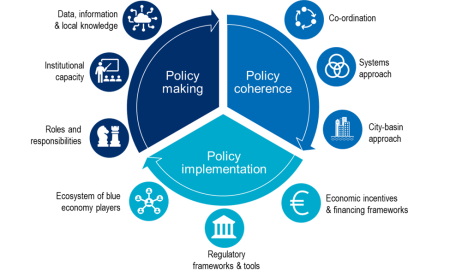
Addressing maritime industry leaders, policymakers, investors and interest groups, the Minister described the event’s theme, “From Policy to Impact: Finance is Key,” as both timely and urgent, noting that the Federal Executive Council’s approval of Nigeria’s first-ever National Policy on Marine and Blue Economy in May 2025 had created a clear roadmap for growth, but that the next critical step lay in mobilising the capital needed to achieve results.
According to him, the new policy envisions economic growth across a wide range of sectors, including shipping, fisheries and aquaculture, marine tourism, coastal infrastructure, renewable energy, and ocean research.
However, he reminded stakeholders that “vision without financing remains no more than a dream”. He pointed out that government alone cannot shoulder the immense responsibility of modernising Nigeria’s ports, sustaining maritime security, expanding aquaculture, or building climate-resilient infrastructure. It would take innovative partnerships, international financing mechanisms and strong private sector engagement to translate policy into measurable outcomes.
The Minister cited recent examples where financing has already yielded impact. Nigeria, he noted, has sustained a piracy-free record for more than three years in the Gulf of Guinea, a feat made possible through investments in the Deep Blue Project.
Rehabilitation and modernisation of Lagos ports are underway, designed to attract larger vessels, cut down turnaround time, and create thousands of jobs, with similar initiatives planned across the country.
He said consultations with fisheries associations earlier in the year are driving the scaling of aquaculture, the development of fish harbours, and the deployment of satellite monitoring systems. These interventions, he said, have already contributed to Nigeria’s economic diversification agenda, with non-oil exports rising by almost 20 per cent in the first half of the year.
He argued that the marine and blue economy must not be seen as a government-only endeavour but rather as a shared prosperity project in which finance is the lever that will draw in long-term private capital, align practices with international standards, and ensure that every stakeholder effort complements the national 10-year policy. With policy clarity, proven results and demonstrated capacity, what Nigeria now requires is scale, and for that finance is indispensable.
“Distinguished stakeholders and partners, let us be clear: the Marine and Blue Economy is not solely a government agenda — it is a shared prosperity project. Finance is the lever that will attract long-term private capital; align our practices with global standards in PPPs, bonds, and blended finance, and ensure every stakeholder initiative complements the 10-Year National Policy for maximum impact,” the Minister said.
He argued that with the right financing structure, Nigeria could unlock access to over 1.5 trillion dollars in global blue economy opportunities projected by 2030, create millions of jobs, and secure sustainable livelihoods for coastal communities.