Close Menu
    Facebook X (Twitter) Instagram
    Facebook X (Twitter) Instagram
    SweetCrudeReportsSweetCrudeReports
    Subscribe
    • Home
    • Oil
    • Gas
    • Power
    • Solid Minerals
    • Labour
    • Financing
    • Freight
    • Community Development
    • E-Editions
    SweetCrudeReportsSweetCrudeReports
    Home » PETAN blames vandalism, inflated JV claims for soaring production cost

    PETAN blames vandalism, inflated JV claims for soaring production cost

    December 7, 2025
    Share
    Facebook Twitter LinkedIn WhatsApp
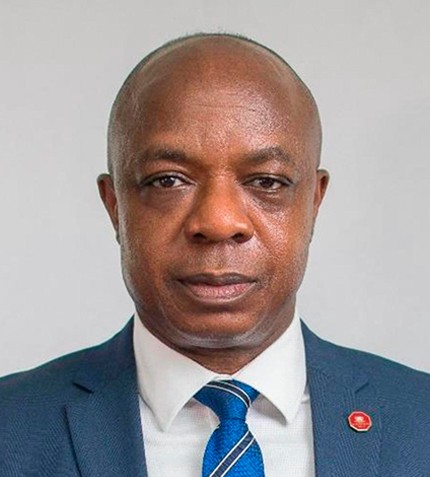
    *PETAN Chairman, Wole Ogunsanya

    Mkpoikana Udoma

    Yenagoa — Nigeria’s persistent struggle with high oil production costs is being driven by two major pressures, crippling vandalism and inflated joint-venture, JV, cost claims, according to the Petroleum Technology Association of Nigeria, PETAN.

    Speaking during a panel session on Nigeria First Policy: Pathway for Growth at PNC 2025, PETAN Chairman, Wole Ogunsanya, said the country is now paying some of the highest crude-evacuation costs in the world, undermining competitiveness and investment appetite.

    “The number one cause of high cost of oil production in Nigeria today is vandalization; vandalization of assets and evacuation of crude oil,” Ogunsanya declared. “You have people in the swamp paying $12 per barrel to move crude oil from one point to another. That’s the highest cost we have in Nigeria.”

    He added that while insecurity remains a major drain, JV partners, both international oil companies and indigenous independents, are also contributing to the cost crisis through inflated claims.

    “As the Chairman of PETAN, and I’m going to be brutally honest, the costs we are seeing from the JV partners, both the IOCs and the independents, are inflated. I don’t have any shame in saying it,” he said.

    Ogunsanya stressed that Nigeria’s cost structure has become grossly uncompetitive when compared to peer producing nations.
    “When you look at these costs, it’s too high compared to other countries,” he said. “These are the two main areas we want the system to address.”

    He urged government and regulators to prioritise solutions that directly tackle evacuation challenges, while calling on operators to embrace transparency and global benchmarking.

    “One area is evacuation, which is the government’s vision to deal with. The second is for JV partners, whether indigenous or multinational, to review the costs being presented compared to other countries,” he said.


    Related News

    Guyana’s Local Content Act: What’s next in 2026

    NCDMB, partners launch skills training for Nigerian graduates

    NCDMB, MOI, NIS inaugurate tripartite committee to enhance regulatory compliance

    Comments are closed.

    E-book
    Resilience Exhibition

    Latest News

    Truckers petition Tinubu over extortion in Lagos

    January 16, 2026

    Force and fuel: 68% of global oil production concentrated in countries exposed to U.S. pressure

    January 16, 2026

    Libya prepares major renewable energy showcase at LEES 2026

    January 16, 2026

    Petroleum Ministry clinches second position in 2025 SERVICOM performance ranking

    January 16, 2026

    OPEC regains share in India as Russian oil imports slump in December

    January 16, 2026
    Demo
    Facebook X (Twitter) Instagram
    • Opec Daily Basket
    • Oil
    • Power
    • Gas
    • Freight
    • Financing
    • Labour
    • Technology
    • Solid Mineral
    • Conferences/Seminars
    • Community Development
    • Nigerian Content Initiative
    • Niger-Delta Question
    • Insurance
    • Other News
    • Focus
    • Feedback
    • Hanging Out With Markson

    Subscribe for Updates

    Get the latest energy news from Sweetcrudereports.

    Please wait...
    Please enter all required fields Click to hide
    Correct invalid entries Click to hide
    © 2026 Sweetcrudereports.
    • About Us
    • Advertise with us
    • Privacy Policy

    Type above and press Enter to search. Press Esc to cancel.