Close Menu
    Facebook X (Twitter) Instagram
    Facebook X (Twitter) Instagram
    SweetCrudeReportsSweetCrudeReports
    Subscribe
    • Home
    • Oil
    • Gas
    • Power
    • Solid Minerals
    • Labour
    • Financing
    • Freight
    • Environment
    • Community Development
    • Renewable Energy
    • E-Editions
    SweetCrudeReportsSweetCrudeReports
    Home » Power generation drops in Nigeria due to Egbin system collapse

    Power generation drops in Nigeria due to Egbin system collapse

    April 14, 2012
    Share
    Facebook Twitter LinkedIn WhatsApp

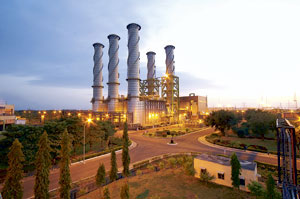
    14 April 2012, Sweetcrude, LAGOS – Power generation in Nigeria has dropped below 2,000 megawatts due to system collapse at Egbin Power Station, the News Agency of Nigeria reports.

    An official of the Ministry of Power, who pleaded anonymity, on Friday in Lagos, said that power supply had worsened in many states, especially in Lagos State.
    The official said that this was due to the collapse of two units at the Egbin Power Station.
    The low power generation had affected industrial, commercial and individual consumers who had complained of frequent outages in the last two months.
    A source said the collapse of two units at the thermal station led to drop in power generation from 800 megawatts to below 400 megawatts on Thursday.
    The source said none of the six units at the station was producing at installed capacity of 220 megawatts.
    When contacted, Mr Mike Uzoigwe, the Chief Executive Officer, Egbin Power Station, confirmed that two units were down at the station on Thursday.
    He, however, said that the two units had been re-activated and all the units were working effectively.
    Prof. Barth Nnaji, the Minister of Power, had once confirmed a drop in the level of power generation.
    His Special Assistant on Media, Mr Cdon Adinuba, said that the level of power generation had dropped below 3,000 megawatts.
    He said that the development was as a result of low water level at Kainji and Shiroro Dams.
    “The low water level at the dams has affected the generation of power mainly because of lack of rainfall in different parts of the country, especially in the North.
    “This is worsened by the low gas supply,” he said.

    Related News

    US praises Nigeria’s CNG push, urges wider adoption

    IEA sees significant 2027 oil surplus after Hormuz recovery

    ‘Steel, power sectors must align to drive industrial growth’

    E-book
    Resilience Exhibition

    Latest News

    US praises Nigeria’s CNG push, urges wider adoption

    June 19, 2026

    NEMSA unveils solar mini-grid rules, boosts renewable energy oversight

    June 19, 2026

    Again, Obi questions Nigeria’s rising debt, demands borrowing transparency

    June 19, 2026

    NMDPRA, NEITI deepen data transparency drive to strengthen reforms

    June 19, 2026

    Truckers build database amid management inefficiencies in Lagos ports

    June 19, 2026
    Demo
    Facebook X (Twitter) Instagram
    • Opec Daily Basket
    • Oil
    • Power
    • Gas
    • Freight
    • Financing
    • Labour
    • Technology
    • Solid Mineral
    • Conferences/Seminars
    • Community Development
    • Nigerian Content Initiative
    • Niger-Delta Question
    • Insurance
    • Other News
    • Focus
    • Feedback
    • Hanging Out With Markson

    Subscribe for Updates

    Get the latest energy news from Sweetcrudereports.

    Please wait...
    Please enter all required fields Click to hide
    Correct invalid entries Click to hide
    © 2026 Sweetcrudereports.
    • About Us
    • Advertise with us
    • Privacy Policy

    Type above and press Enter to search. Press Esc to cancel.