11 October 2015, Lagos – Indigenous shipowners look set to break into the international shipping business circle after many years of operating locally.
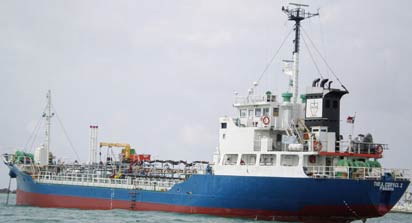 Already, the shipowners have commenced a process to meet with foreign vessel operators on the plan to be part of the international cargo distribution.
The Coordinator, Government Relations, Shipowners Association of Nigeria, Mr. Temisan Omatseye, confirmed that Nigerian shipowners were making plans to partner with foreign flagged vessels for the movement of container cargo.
Currently, no indigenous shipowner is involved in the shipping of container cargo to and from Nigeria.
In an interview with SUNDAY PUNCH, Omatseye said the reason why Nigerian shipowners had been unable to break into container shipping was due to the terms of affreightment.
He said, “All the bills of lading list Lagos as the port of discharge; this means the containers must be discharged at Lagos. However, if a true bill of lading is used, then the shipper will mention the closest port to him outside Lagos.
“So, once the mother vessels bringing containers from Europe discharge them at Lagos ports, Nigerian shipowners operating under the cabotage regime would use their own vessels to move them to other seaports in the country. Nigerian shipowners would also collect empty containers from other seaports and bring them back to Lagos.”
He said such partnership would not only help in the development of the Inland Container Depots and dry ports, but it would also encourage the exportation of agricultural crops and create employment in the vicinity of the eastern ports.
Omateye said the partnership with foreign flagged vessels was currently the topic of discussion among African shipowners.
He said, “Knowing that it is the shipper who determines the destination of his cargo, we are trying to meet with the Shipping Association of Nigeria, Nigerian Shippers’ Council and the Nigerian Ports Authority. We need their cooperation if this partnership is to take off, especially that of SAN because they have to convince their people to do a true bill of lading.
“The freight shippers pay to the foreign shipping lines will cover the delivery of that cargo to Warri, Calabar and Port Harcourt. It is the foreign flagged vessels that will pay the indigenous shipowners the cost of moving cargo to the eastern seaports and returning the empties.”
Omatseye added that such an arrangement would take trucks off Lagos roads and ease the traffic in Apapa as there would be no need for shippers outside Lagos to use the Lagos ports.
The Executive Secretary, NSC, Mr. Hassan Bello, described the idea as a welcome one that would encourage the implementation of the Cabotage Act.
He said the council was in support of any partnership that would encourage indigenous shipowners to build capacity.
He said, “This means that other ports would become more productive. If we have a true bill of lading, then cargo can go to other ports and the shippers don’t have to send trucks to Lagos to clear their goods.
“This would greatly enhance the ease of doing business. Cocoa farmers in Cross River should be able to use Calabar Port; these are ports which are proximate to where the action is taking place. The cost of transportation will be reduced and this will aid the diversification of our economy to include exports.”
Bello added that the ICDs and dry ports would benefit from the use of the true bill of lading.
- Punch