Close Menu
    Facebook X (Twitter) Instagram
    Facebook X (Twitter) Instagram
    SweetCrudeReportsSweetCrudeReports
    Subscribe
    • Home
    • Oil
    • Gas
    • Power
    • Solid Minerals
    • Labour
    • Financing
    • Freight
    • Environment
    • Community Development
    • Renewable Energy
    • E-Editions
    SweetCrudeReportsSweetCrudeReports
    Home » South African equities reflects cautious sentiment

    South African equities reflects cautious sentiment

    February 14, 2025
    Share
    Facebook Twitter LinkedIn WhatsApp
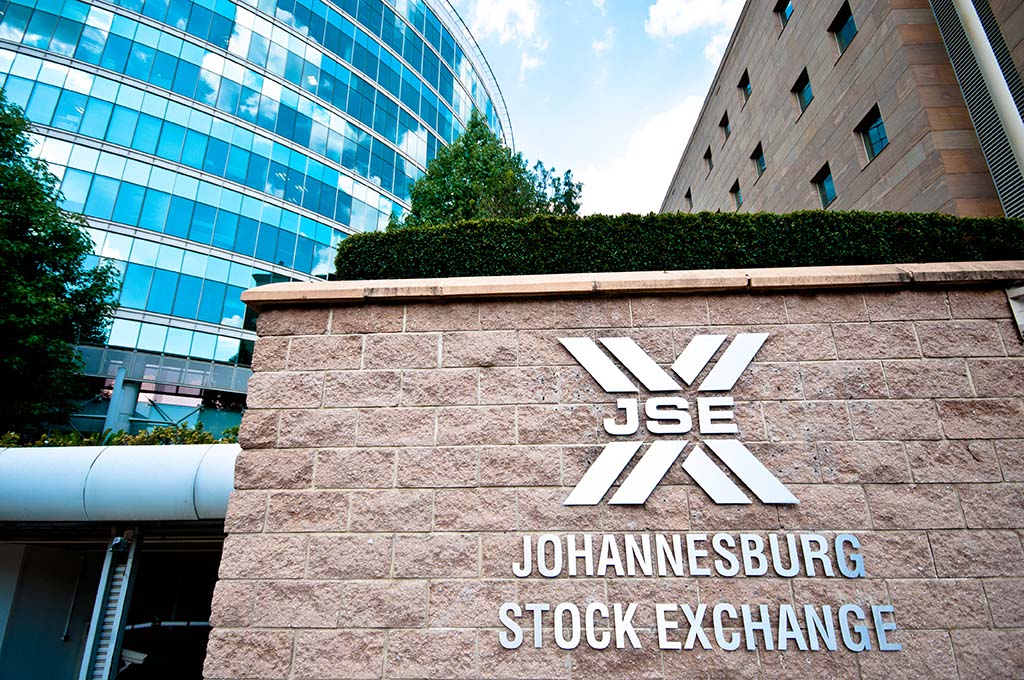
    The Johannesburg Stock Exchange (JSE) building in Sandton. It has operated as a marketplace for the trading of financial products for nearly 125 years.

    – JSE FTSE top 40 index closed flat at 80,067 points
    – Mining production decline
    – U.S. aid cuts pose risks

    Lagos — South African equities reflected cautious sentiment as the JSE FTSE Top 40 Index closed flat at 80,067 points on Thursday, indicating a potential slowdown after the strong rally this year. Profit-taking likely contributed to this pause, with 11 out of 20 sectors ending in negative territory.

    The electronic technology, consumer non-durables, and process industries sectors were among the worst performers, down by -4.48%, -2.55%, and -2.17%, respectively.

    However, the consumer durables, energy minerals, technology services, and distribution services sectors demonstrated resilience. Naspers Ltd and Goldfields Ltd were among the top gainers, adding 1.68% and 1.52%. The outlook for South African stocks remains cautious, with potential for further consolidation.

    The financial sector experienced mixed performance, with Firstrand Ltd, Capitec Bank, and ABSA Group all declining, while Standard Bank and Sanlam Ltd displayed resilience. Financial stocks are facing uncertainty and could react to changes in interest rates and inflation trends.

    South Africa’s mining production decreased by 2.4% year-on-year in December, largely driven by a drop in platinum and gold output. Gold production, in particular, fell by 8.4%, weighing heavily on overall performance.

    On the geopolitical front, the country is grappling with tensions, including recent discussions around potential U.S. aid cuts of nearly USD 440 million under the Trump administration.

    This uncertainty could weigh on sentiment and add volatility to the local equity market. However, ongoing support from the EU provides some degree of stability.

    **Daniel Wesonga, Senior Sales Manager at Pepperstone

    Related News

    CBN launches NOFR to deepen markets, boost investor confidence

    Angola’s state oil firm secures $2.65bn financing from foreign lenders

    AFC backs $7bn Dangote Fertiliser expansion

    Comments are closed.

    E-book
    Resilience Exhibition

    Latest News

    Nigeria to power 35,000 health facilities with renewable energy

    June 18, 2026

    Navy uncovers hidden crude storage site, recovers 17,000 litres in Delta

    June 18, 2026

    ‘Steel, power sectors must align to drive industrial growth’

    June 18, 2026

    Nigeria’s domestic gas sales jump as production nears 8bcf/d

    June 18, 2026

    With MethaneLive, TotalEnergies uses data to support methane emissions reduction

    June 18, 2026
    Demo
    Facebook X (Twitter) Instagram
    • Opec Daily Basket
    • Oil
    • Power
    • Gas
    • Freight
    • Financing
    • Labour
    • Technology
    • Solid Mineral
    • Conferences/Seminars
    • Community Development
    • Nigerian Content Initiative
    • Niger-Delta Question
    • Insurance
    • Other News
    • Focus
    • Feedback
    • Hanging Out With Markson

    Subscribe for Updates

    Get the latest energy news from Sweetcrudereports.

    Please wait...
    Please enter all required fields Click to hide
    Correct invalid entries Click to hide
    © 2026 Sweetcrudereports.
    • About Us
    • Advertise with us
    • Privacy Policy

    Type above and press Enter to search. Press Esc to cancel.