 Mkpoikana Udoma
Port Harcourt — In a rare display of inter-agency consensus, the Hydrocarbon Pollution Remediation Project, HYPREP, has received widespread commendation from regulators, asset owners, and civil society groups for its transparent project delivery and sustained stakeholder engagement.
Speaking at the 2nd Quarterly Key Regulators/Asset Owners Meeting held in Port Harcourt, participants lauded HYPREP’s consistent efforts to open its operations for scrutiny and incorporate feedback to improve project execution in Ogoniland.
Speaking, Meshach Oyi, Programme Officer of Environmental Governance at the Centre for Environment, Human Rights and Development, CEHRD, acknowledged that while challenges remain, HYPREP has made notable improvements over the years.
“This level of transparency is uncommon. One particular aspect of this meeting is where HYPREP opens its books for scrutiny. That is one hard aspect of every process, to open your books. The regulators, asset owners, and NGOs are doing just that.
“Nobody is perfect. They have improved so much on some of the areas that have been complained about. We can see the level of success and we need to commend them,” Oyi added.
The Project Coordinator of HYPREP, Professor Nenibarini Zabbey, represented by Dr. Damian-Paul Aguiyi, Director of Technical Services, said the quarterly engagement is a vital feedback loop.
“The essence of this engagement, which we do quarterly, is to brief our regulators and asset owners on the progress we are making on the project, as well as our challenges, to share knowledge with them and get feedback to improve our performance,” Aguiyi explained.
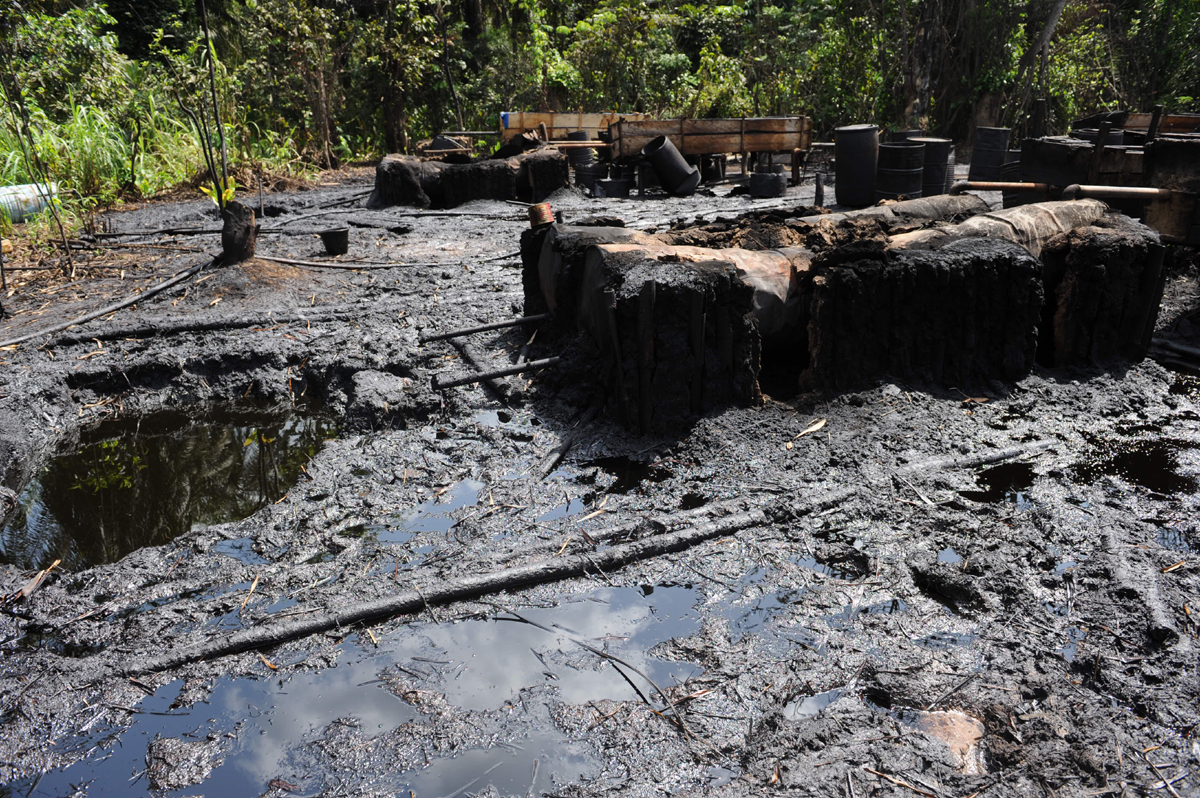
A key highlight of the meeting was HYPREP’s mangrove restoration effort. “We commenced a pilot phase of mangrove planting in areas where we have cleaned up hydrocarbon pollution,” Aguiyi disclosed.
“Our target is to plant 1.4 million mangroves. So far, we’ve done 1.3 million. Some lots have been completed and are now in the monitoring phase. The survival rate has been impressive, over 90 percent, and organisms are beginning to return under the mangroves.”
He noted that the feedback from regulators and asset owners has informed major operational adjustments. “Technically speaking, I can say they have made suggestions and observations that have helped us improve on what we do and how we manage issues as they relate to the activities.”
The meeting was attended by key regulatory bodies and organizations, including the National Oil Spill Detection and Response Agency, NOSDRA, Nigerian Upstream Petroleum Regulatory Commission, NUPRC, Nigerian Pipeline and Storage Company Limited, NPSCL.
Other attendees include, Federal Ministry of Environment, Rivers State Ministries of Environment, Water Resources and Rural Development, Health and Power, Stakeholder Democracy Network, SDN, Society for Women and Youth Affairs, SWAYA, and Renaissance African Energy Company.